 Fashion & Wax
 Beauty & Hair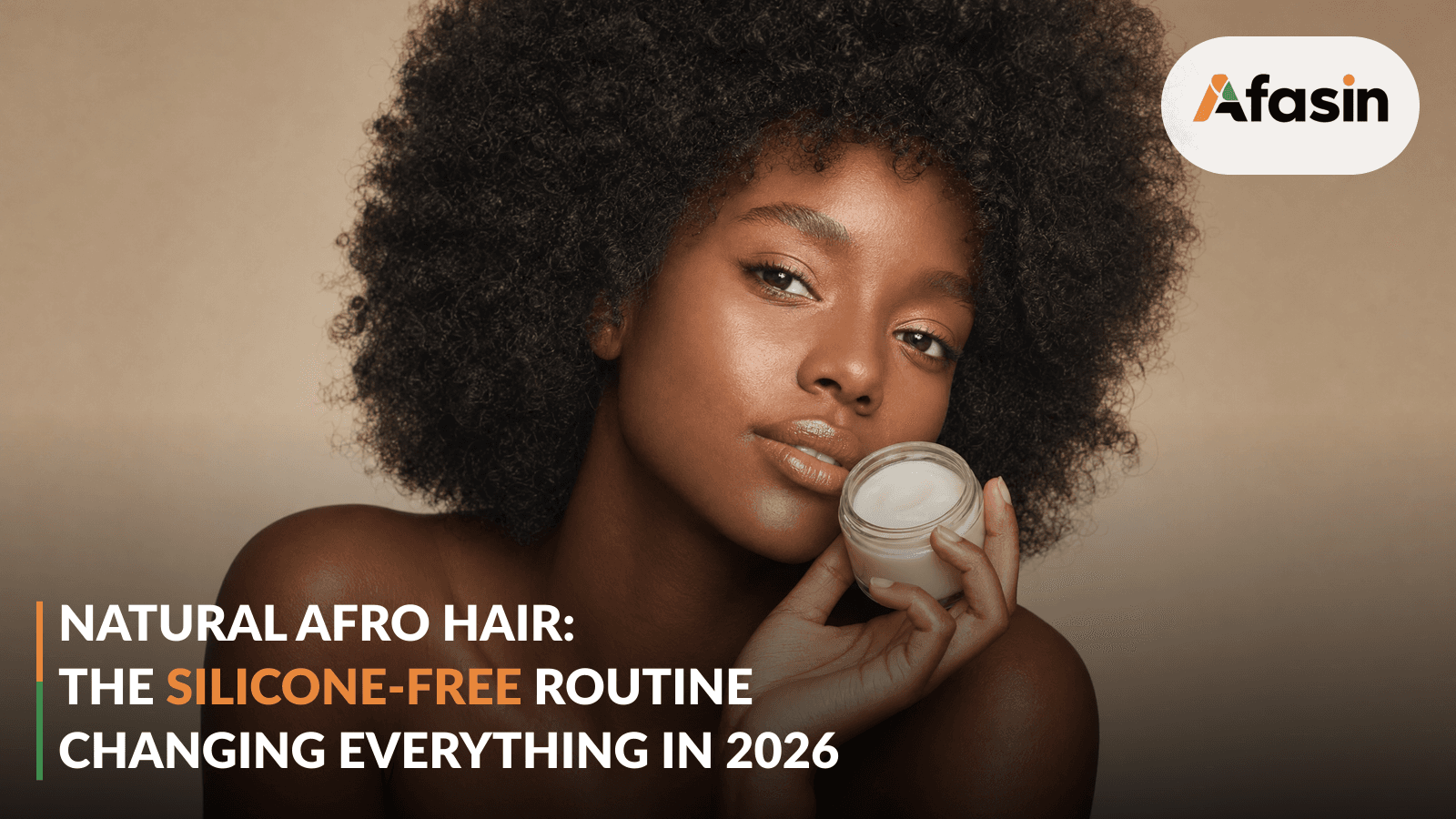
Natural Afro Hair: The Silicone-Free Routine Changing Everything in 2026
In 2026, more women with afro-textured hair are ditching chemical products for a 100% natural, silicone-free routine. Here's how to do it, step by step.
In 2026, the majority of women with afro-textured hair have said goodbye to relaxers and silicone-based products to reclaim their natural texture. Here's how to build a healthy, effective hair care routine — without silicone.
Why Avoid Silicones on Afro Hair?
Silicones (dimethicone, cyclopentasiloxane, amodimethicone...) are widely used in conventional hair products because they give an instant smoothing, shiny effect. The problem is that they coat the hair fiber in a plastic-like film that, with repeated use, builds up and blocks the absorption of moisture and nutrients. For afro hair, which is naturally dry and porous, this is a real obstacle: the fiber needs to let water and oils penetrate to stay supple and strong. The result of prolonged silicone use: dull, brittle hair that looks healthy on the surface while weakening underneath. The good news: a simple routine based on the famous LOC method (Liquid – Oil – Cream) can bring back strong, shiny hair without a single drop of silicone.
The Key Steps of a 100% Natural Hair Care Routine
- Gentle cleansing 1 to 2 times a week with a sulfate- and silicone-free shampoo, or co-washing (cleansing with conditioner only) to preserve the scalp's natural oil balance
- Detangling conditioner and a hydrating or protein treatment once a week depending on your hair's needs
- Liquid: apply a water-based leave-in or hydrating mist to damp hair to add moisture
- Oil: seal in moisture with a plant oil (coconut oil, castor oil, jojoba oil) to lock hydration into the fiber
- Cream: finish with shea butter or a rich cream to nourish and define curls
- Protective styling (twists, braids, a loose bun) and a satin bonnet or pillowcase at night to limit manipulation and breakage
Our afro hair care picks
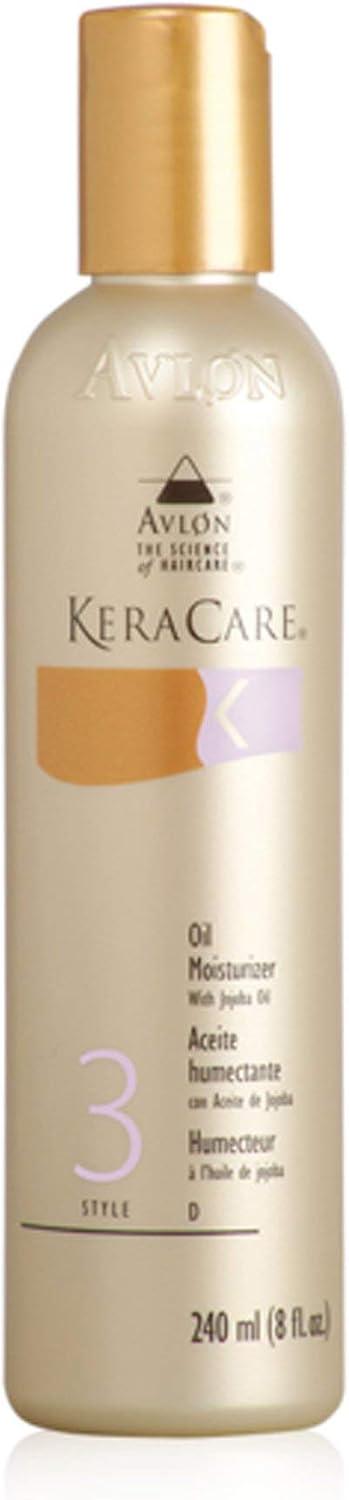
KeraCare Jojoba Oil Moisturizer 240ml
9,81 €
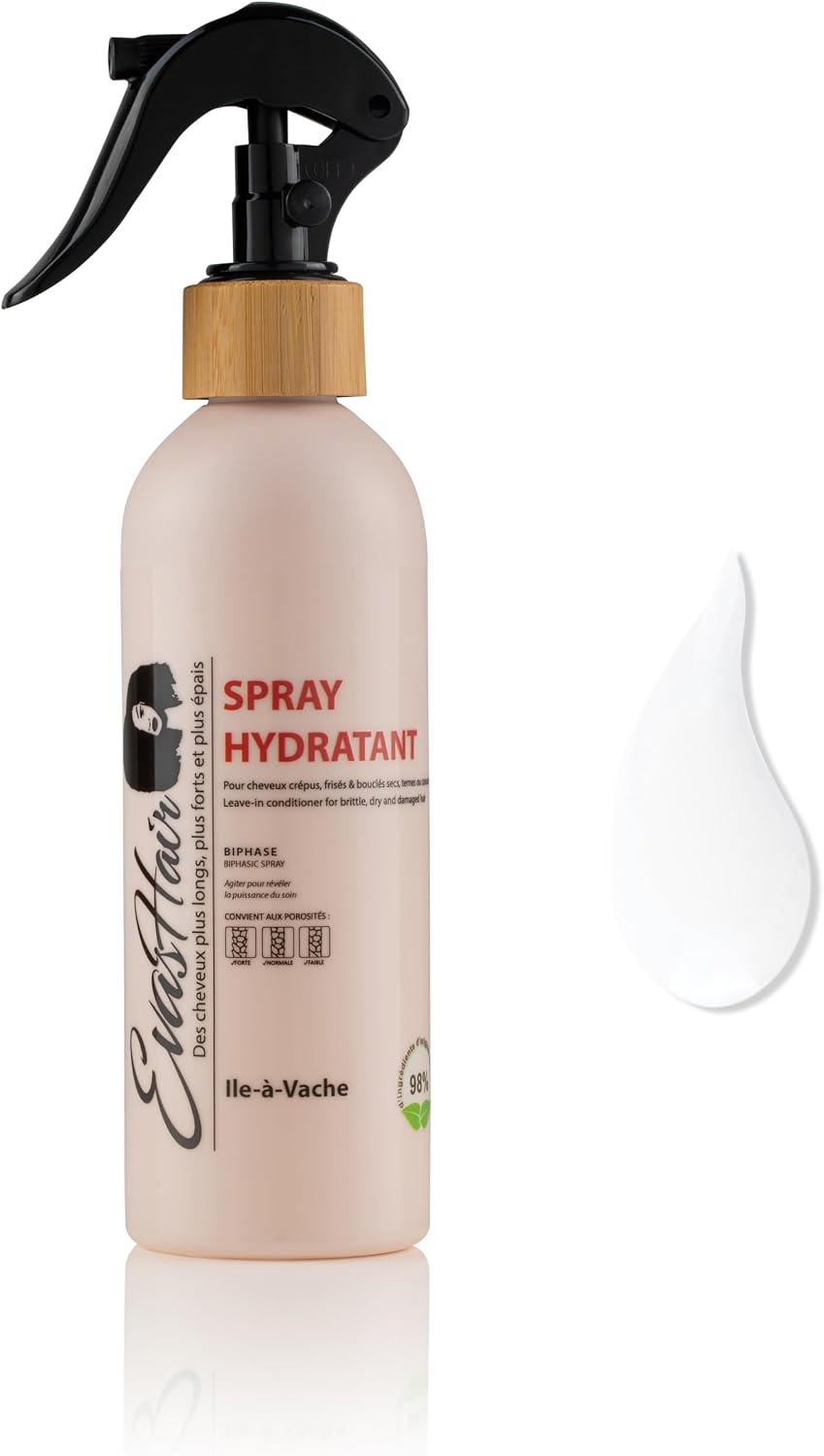
EvasHair Spray – for coily and curly hair
24,90 €
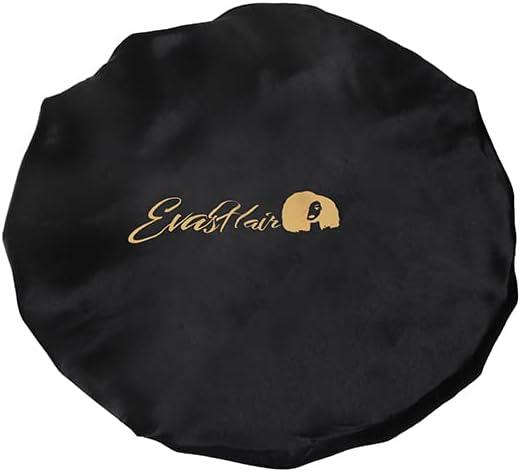
EvasHair Satin Bonnet – for coily and curly hair
16,90 €
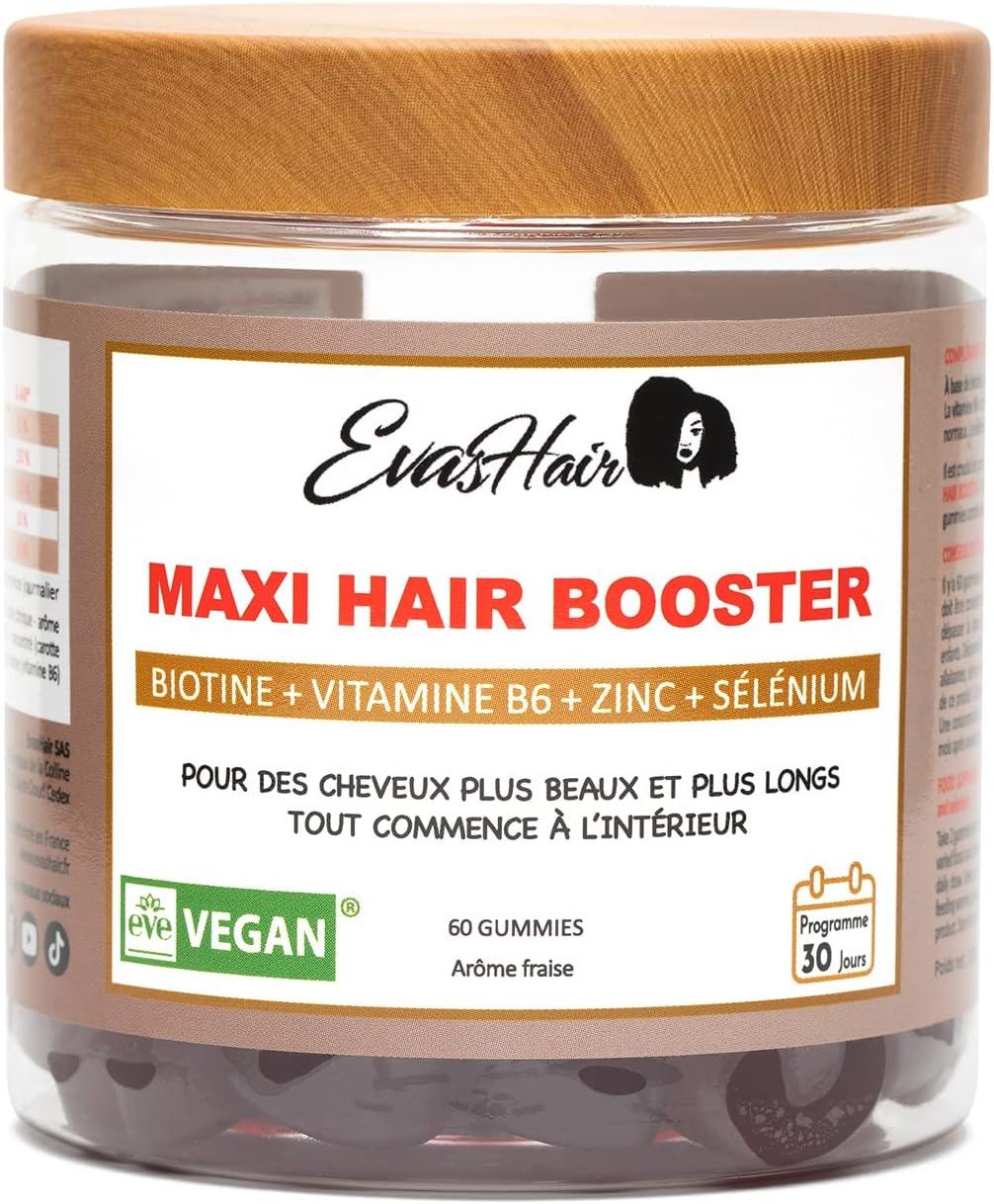
EvasHair Hair Care – for coily and curly hair
24,90 €
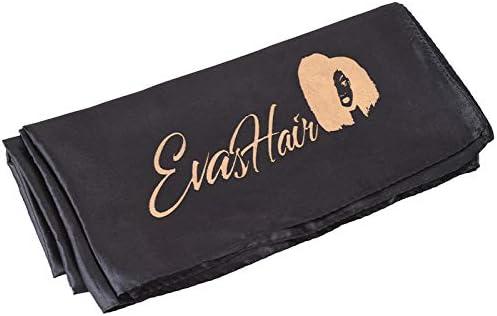
EvasHair Satin Scarf – for coily and curly hair
12,00 €
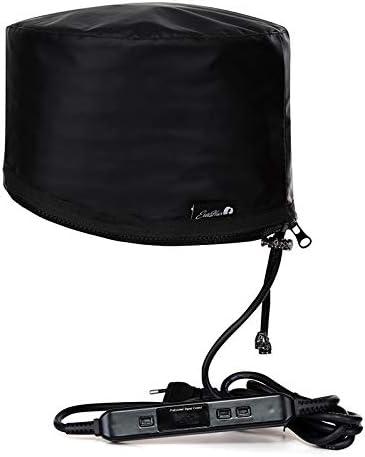
EvasHair Heat Cap – for coily and curly hair
57,60 €
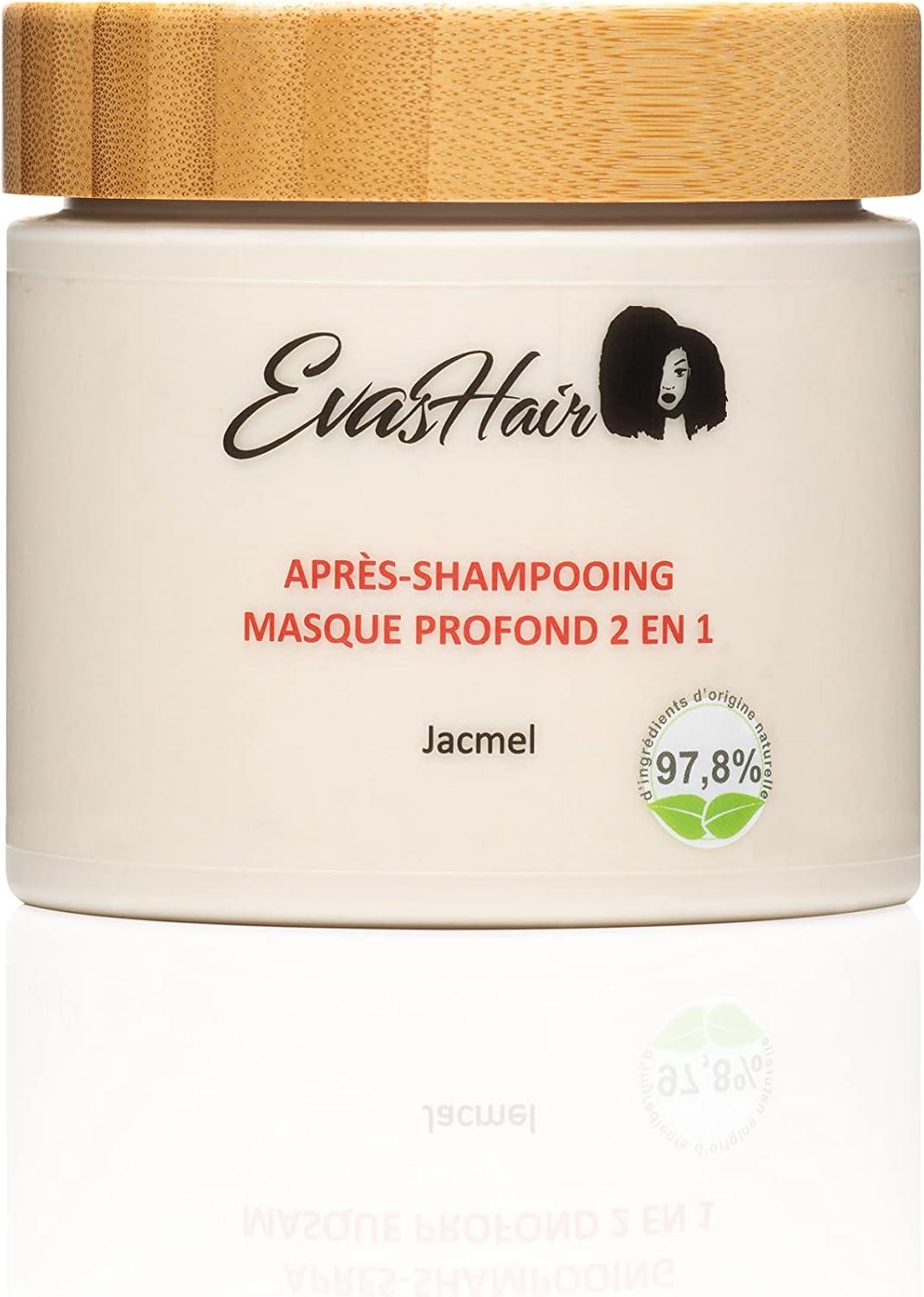
EvasHair Conditioner – for coily and curly hair
38,90 €
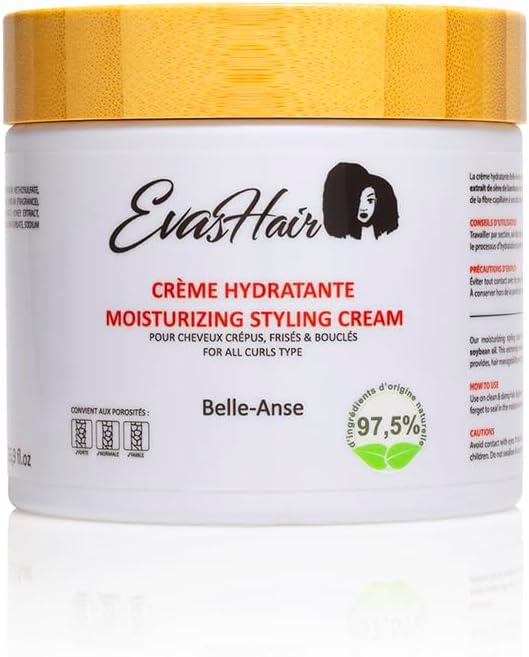
EvasHair Moisturizing Cream – for coily and curly hair
36,60 €
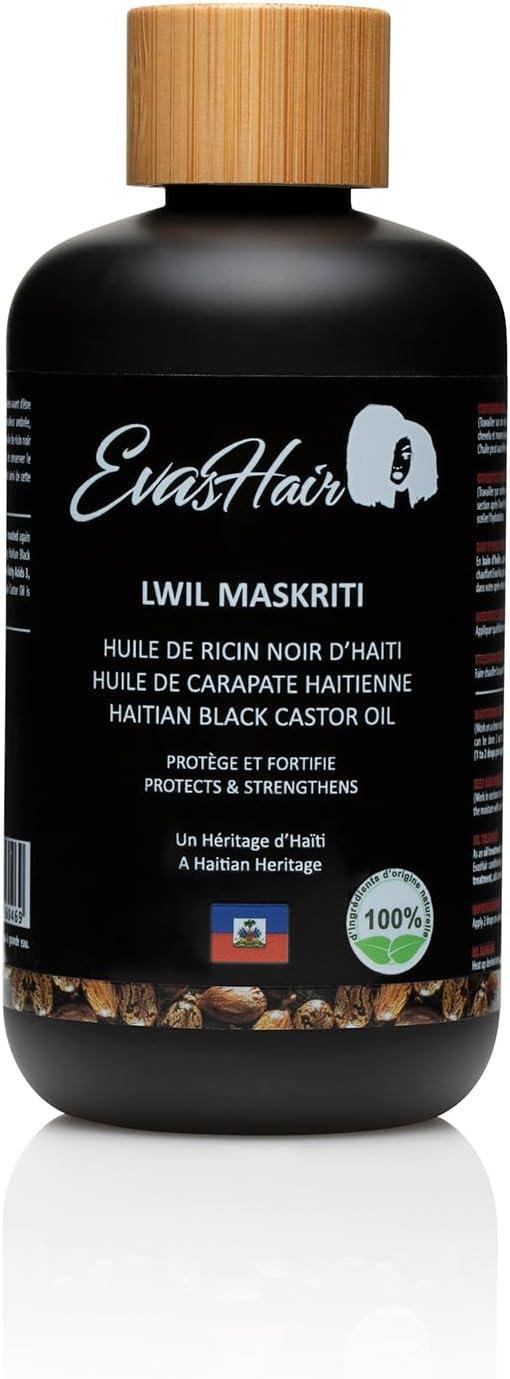
EvasHair Oil
30,00 €
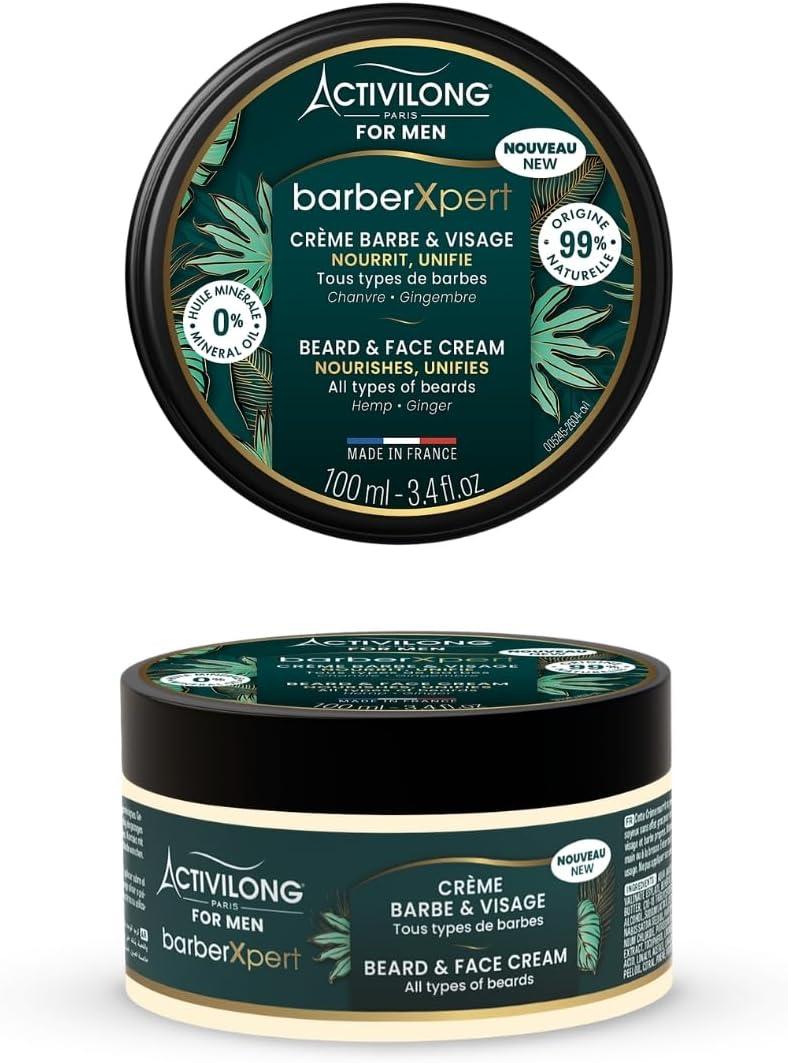
Activilong for Men Cream – for all hair types
12,50 €
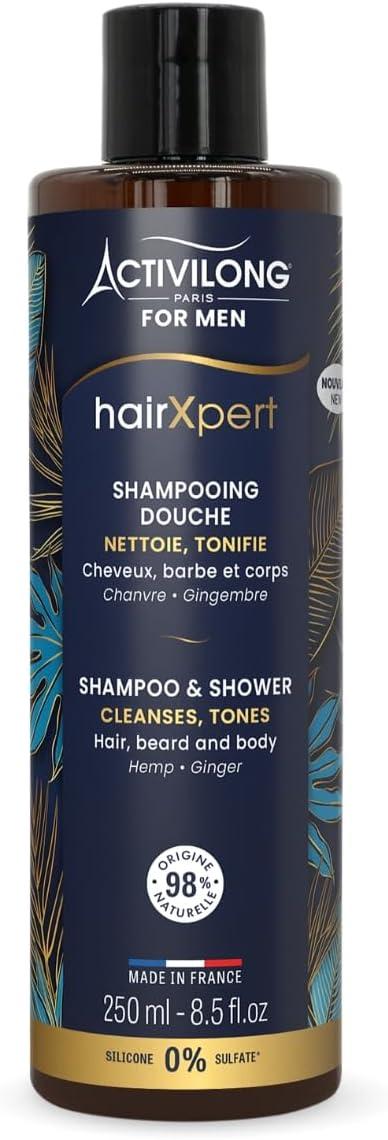
Activilong for Men Shampoo – for all hair types
11,80 €
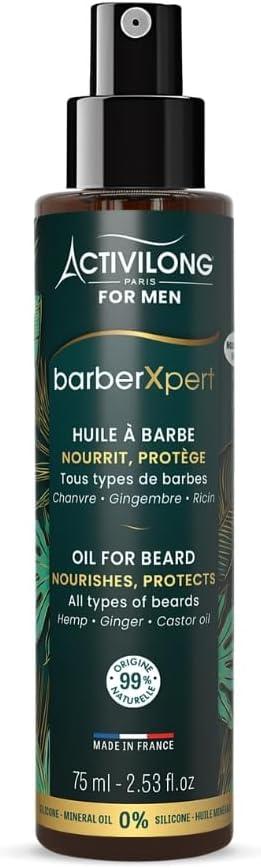
Activilong for Men Oil
13,90 €
Reading Labels: How to Spot Silicones
On the ingredient list (INCI), silicones are easy to recognize: they almost always end in -cone, -conol, -silane, or -siloxane. The most common ones are dimethicone, cyclomethicone, amodimethicone, and cyclopentasiloxane. Some so-called "water-soluble" silicones (like PEG-12 dimethicone) rinse out more easily, but for a truly natural routine, it's best to avoid them too and favor plant-based alternatives instead.
- Coconut oil or jojoba oil for shine and a protective coating
- Shea butter for deep nourishment and curl definition
- Aloe vera for light hydration and a detangling effect
- Vegetable glycerin as a natural humectant
Switching to a silicone-free routine takes a little patience: the hair fiber needs a few weeks to clear out built-up residue and fully regain its ability to absorb moisture. But the results are worth it — more defined, softer curls that are genuinely healthier in the long run. Natural afro hair is hair you learn to listen to and respect, no shortcuts needed.
Updated on 13 September 2026