
 Fashion & Wax
 Beauty & Hair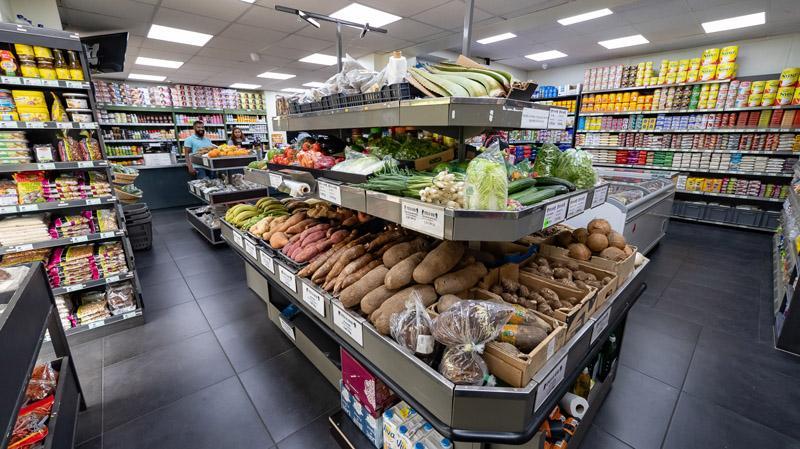
Afro-Caribbean Products: Discover Our Authentic Selection
African Products: Complete Guide to Discovering the Continent's Treasures in Europe African products are experiencing remarkable growth in Europe, driven by a dynamic diaspora and growing interest in authenticity and cultural diversity. Whether you're from the continent...
African Products: The Complete Guide to Discovering the Continent's Treasures in Europe
African products are seeing remarkable growth in Europe, driven by a dynamic diaspora and growing interest in authenticity and cultural diversity. Whether you're from the continent, the Caribbean, or simply curious to discover these riches, this guide takes you through a fascinating world where ancestral traditions meet modernity.
In March 2026, access to African products in Europe has never been easier. From fragrant spices to colourful textiles, through natural cosmetics and authentic foodstuffs, the market has grown considerably to meet the expectations of a community seeking its roots and a European clientele eager for discovery.
The Different Categories of African Products
Food: Flavour and Authenticity
Food is undoubtedly the leading category of African products in Europe. Specialised grocery stores and online marketplaces now offer an impressive range of foodstuffs, letting people recreate traditional recipes far from the continent.
- Grains and starches: fonio, millet, sorghum, yam, cassava, plantain, attiéké
- Spices and condiments: cayenne pepper, selim seeds, cubeb, soumbala, dawadawa, African Maggi stock cubes
- Traditional oils: red palm oil, coconut oil, food-grade shea butter
- Dried fish and meats: stockfish, dried shrimp, dried beef (kilishi)
- Drinks: bissap (hibiscus), ginger, tamarind, baobab
These ingredients form the base of iconic dishes like Senegalese thiéboudienne, Cameroonian ndolé, West African jollof rice or Malian mafé. Rediscovering these flavours in Europe means maintaining a precious link with your origins and passing on a culinary heritage to future generations.
Natural Cosmetics: Beauty and Tradition
Beauty African products enjoy a worldwide reputation for their exceptional properties. Coming from recipes passed down from generation to generation, they perfectly meet the needs of textured skin and hair.
- Shea butter: a versatile moisturiser from West Africa, essential for skin and hair
- Baobab oil: rich in vitamins A, D, E and F, perfect for regenerating skin
- African black soap: a natural cleanser made from plant ash and local oils
- Moringa oil: a natural anti-aging remedy with antioxidant properties
- Rhassoul: a purifying Moroccan clay for skin and hair
These natural treasures win over people well beyond the diaspora, attracting a European clientele attuned to organic, ethical cosmetics. Their success reflects the richness of African know-how in natural beauty.
Crafts and Textiles: Cultural Expression
Handcrafted African products represent much more than simple objects: they embody the soul of the continent and tell centuries-old stories. Every piece carries a symbol, a meaning, a connection with ancestors.
- Wax and pagnes: iconic fabrics with vibrant patterns, used to make clothing and accessories
- Ghanaian kente: royal fabric with complex geometric patterns, a symbol of prestige
- Malian bogolan: mud-dyed fabric with traditional Mandingo patterns
- Basketry: hand-woven baskets, bags and decorative objects
- Ethnic jewellery: beads, bronze and silver crafted using age-old techniques
Wearing or displaying these creations is a way of affirming your identity and helping preserve an invaluable cultural heritage. Many diaspora creators reinterpret these traditions to fit contemporary trends, creating a unique Afro-European fashion.
Where to Find Quality African Products in Europe?
Specialised Marketplaces
The rise of online shopping has revolutionised access to African products in Europe. Specialised platforms like AFASIN bring together hundreds of sellers offering authentic products, with the quality and traceability guarantees the diaspora looks for.
These marketplaces offer several major advantages:
- A diverse catalogue combining food, cosmetics, fashion and crafts
- Verified sellers, often from the community
- Delivery across Europe
- Direct support for African and Afro-descendant entrepreneurs
Grocery Stores and Physical Shops
Major European cities are home to neighbourhoods where shops offering African products cluster together. In Paris, the Château-Rouge neighbourhood remains an essential landmark, as do Brixton in London or Matongé in Brussels. These vibrant places offer a complete sensory experience and help build social ties within the community.
Markets and Community Events
African and Caribbean markets are must-visit gatherings for finding authentic African products while enjoying a festive atmosphere. These events are also a chance to discover local artisans and taste freshly prepared specialities.
The Economic Importance of African Products in Europe
The market for African products in Europe is a fast-growing economic sector. Driven by a diaspora estimated at several million people, this market generates billions of euros in annual revenue and creates thousands of jobs.
Beyond the figures, this trade plays a fundamental social role. It lets diaspora entrepreneurs build their own businesses, promotes trade between Europe and Africa, and helps make African cultures more visible on the European continent.
AFASIN is fully part of this momentum, offering a showcase for sellers of African products and making it easier to connect producers, merchants and consumers. This virtuous circular economy benefits the whole community.
Living African Culture Beyond Products
Sourcing African products is only one facet of the cultural experience. For a full immersion, the diaspora has many opportunities to celebrate its roots through cultural events.
This spring 2026, several iconic artists are performing on French stages. Patson presents his show "Baltazar" at Le République in Paris, with performances on 29 March and throughout April (from €29). The Cameroonian comedian brings his full talent to make his audience laugh and think.
Fabrice Eboué continues his tour "SolitudeS" and will be at Espace Pierre Bachelet - La Cartonnerie on 10 April 2026 (from €42), offering a show that blends biting humour with sharp social observation.
For music fans, Amel Bent charms France with "La Tournée", stopping at Halle Tony Garnier on 16 April, Zénith Sud on 17 April, and several other dates through 25 April (from €49). Naza will light up the Accor Arena on 20 April 2026 (from €49), promising a memorable evening of Afro-urban music.
The event not to miss: GIMS launches his Summer Tour 2026 at Arena Stade Couvert on 18 April (from €62), a unique chance to see this icon of French-language music live.
Discover all these events and more on our dedicated events page. And to extend the experience, also explore the African and Caribbean restaurants listed on AFASIN.
FAQ: Your Questions About African Products
How do you recognise authentic, quality African products?
To guarantee the authenticity of your African products, favour specialised distribution channels like marketplaces dedicated to the diaspora, grocery stores run by people from the continent, and community markets. Check the labels for product origin, and don't hesitate to ask sellers about their suppliers. Organic or fair-trade certifications are also a sign of quality. Finally, be wary of unusually low prices, which can indicate counterfeits or lower-quality products.
Are African products suitable for people with food allergies?
Many African products naturally suit specific diets. Fonio, for example, is a gluten-free grain perfectly suited to people with coeliac disease. Vegetable oils like shea or coconut are generally well tolerated. However, some products contain common allergens: peanut-based preparations (mafé), dried shrimp, or sesame. Read the ingredient lists carefully and, if in doubt, consult a healthcare professional. Specialised sellers can generally tell you the exact composition of their products.
How do you properly store African food products?
Storing African food products varies by type. Dried spices and condiments keep for several months in airtight containers, away from light and moisture. Flours and grains should ideally be stored in the fridge to prevent insects. Red palm oil should be kept cool to preserve its nutritional qualities. Dried products like stockfish can be stored for a long time at room temperature but need to be rehydrated before use. For fresh or frozen products (plantains, cassava leaves), maintain the cold chain and use quickly after thawing.
Conclusion: Celebrate Your Roots with AFASIN
African products are much more than a simple market: they represent a bridge between two continents, a tangible link to your origins, and a daily celebration of African and Caribbean cultural richness. Whether you're looking to cook the dish of your childhood, care for your skin with natural ingredients, or proudly wear outfits in the colours of the continent, these products let you express your identity wherever you are in Europe.
AFASIN is committed to making this access easier by bringing together on a single platform the best sellers of African products, the diaspora's cultural events, and the community's essential addresses. Our mission: to support you in celebrating your roots and help African and Caribbean cultures shine across Europe.
Explore our African products catalogue now and join a community of thousands of members who, like you, keep Afro-Caribbean culture alive every day. Together, let's support our entrepreneurs and preserve our cultural heritage for future generations.
Updated on 7 August 2026