
 Fashion & Wax
 Beauty & Hair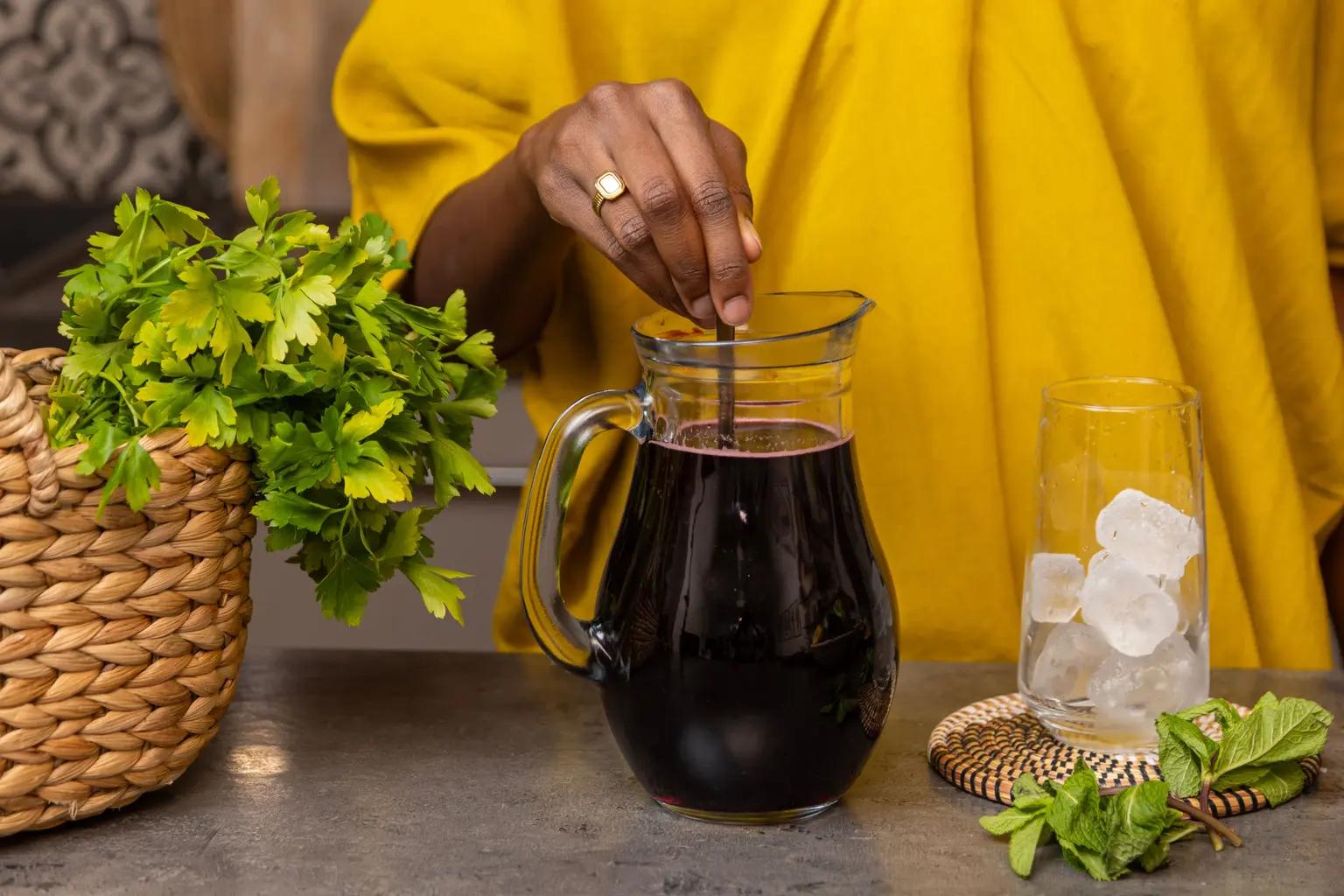
Bissap and Ginger: Refreshing African Drinks to Make at Home
Bissap and ginger: refreshing African drinks to make at home In the richness of African and Caribbean culinary traditions, drinks hold a place of honour. Passed down through generations, they tell the story of our ancestors, their knowledge and their...
Bissap and Ginger: Refreshing African Drinks to Make at Home
In the richness of African and Caribbean culinary traditions, drinks hold a place of honour. Passed down from generation to generation, they tell the story of our ancestors, their knowledge and their way of life. Among these liquid treasures, bissap and ginger reign supreme on our festive tables and in our everyday lives. Today, we invite you to discover how to make these ancestral elixirs at home, to rediscover the authentic flavours of Africa and the Caribbean.
Bissap: West Africa's ruby jewel
Called bissap in Senegal, dah in Mali, zobo in Nigeria or karkadé in Egypt, this iconic drink gets its deep ruby colour from hibiscus sabdariffa flowers. A true source of pride for the African continent, hibiscus juice has won over the whole world thanks to its exceptional taste and many health benefits.
The history of bissap: an age-old heritage
The origins of bissap date back to ancient Egypt, where pharaohs already enjoyed this refreshing infusion. Over the centuries, hibiscus cultivation spread throughout sub-Saharan Africa, becoming a pillar of the continent's traditional drinks. In the markets of Dakar, Bamako or Abidjan, vendors offer their own personal versions, each closely guarding their family recipe.
The African diaspora naturally carried this tradition through great migrations, making bissap an identity drink for African communities settled in Europe. Today, rediscovering the authentic taste of the bissap of our childhood is a precious link to our roots.
Homemade bissap recipe: the traditional method
Making an authentic homemade bissap recipe requires a few simple but quality ingredients. Here's the method passed down by our grandmothers:
Ingredients for 2 litres of bissap:
100g dried hibiscus flowers (calyces)
2 litres water
200 to 250g sugar (to taste)
1 sachet vanilla sugar or a vanilla pod
10 fresh mint leaves
1 teaspoon orange blossom water (optional)
The juice of half a lemon
Step-by-step preparation:
Step 1: Rinse the hibiscus flowers thoroughly in cold water to remove any impurities and dust.
Step 2: Bring the water to a boil in a large pot, then remove from the heat.
Step 3: Drop the hibiscus flowers into the hot water and let steep for at least 2 hours. For a more intense flavour, some prefer an overnight infusion.
Step 4: Strain the mixture through a fine sieve or cheesecloth to get a clear juice.
Step 5: Add the sugar while the liquid is still warm to help it dissolve. Stir in the vanilla, orange blossom water and lemon juice.
Step 6: Let cool completely, then refrigerate. Add the mint leaves just before serving.
Grandmother's tip: For an even tastier bissap, add a few slices of fresh pineapple during infusion. This variation, popular in Côte d'Ivoire, adds an irresistible fruity touch.
Hibiscus juice benefits: a concentrate of natural virtues
Beyond its delicious taste, bissap offers many benefits recognised by traditional African medicine and confirmed by modern science:
Rich in antioxidants: the anthocyanins responsible for the red colour are powerful antioxidants that protect cells from aging.
Blood pressure regulation: several studies have shown hibiscus's effectiveness in maintaining healthy blood pressure.
Diuretic action: bissap promotes the elimination of toxins and aids digestion.
Source of vitamin C: this drink naturally strengthens the immune system.
Anti-inflammatory properties: traditionally used to relieve pain and inflammation.
African ginger drink: beneficial fire
If bissap represents Africa's fruity sweetness, the African ginger drink embodies its strength and vitality. Called gnamakoudji in Côte d'Ivoire and Mali, or ginger in the Caribbean, this spicy preparation awakens the senses and warms the body.
Ginger in Afro-Caribbean culture
Ginger holds a central place among traditional Caribbean drinks and African ones. In the Caribbean, "ginger" accompanies end-of-year celebrations and family gatherings. In West Africa, gnamakoudji is known for its aphrodisiac and energising properties, consumed at weddings and other big occasions.
This miraculous root symbolises the strength and resilience of our peoples. Our ancestors used it both as food and as remedy, a wisdom we carry on today.
Authentic gnamakoudji recipe
Here's how to make an African ginger drink worthy of the best vendors at Abidjan's markets:
Ingredients for 2 litres:
300g fresh ginger
2 litres water
250g sugar or honey, to taste
The juice of 2 limes
1 cinnamon stick (optional)
A few mint leaves
1 pinch Guinea pepper (optional, for those who like it strong)
Method:
Step 1: Peel the ginger and cut into pieces. For a spicier drink, keep the skin on after washing it thoroughly.
Step 2: Blend the ginger with a little water until you get a fine purée.
Step 3: Add the rest of the water and mix vigorously.
Step 4: Let it sit for 30 minutes to 2 hours depending on the intensity you want.
Step 5: Strain thoroughly through cheesecloth, pressing well to extract all the juice.
Step 6: Add the sugar, lemon juice and cinnamon. Mix until fully dissolved.
Step 7: Refrigerate and serve very cold with ice and a few mint leaves.
Creative fusion variations
The diaspora's creativity has given rise to bold blends that honour our traditions while reinventing them:
Bissap-ginger: the perfect combination of sweet and spicy, very popular in Senegal.
Ginger-pineapple: a refreshing tropical version loved in the Caribbean.
Ginger-lemongrass: inspired by Central African traditions, soothing and good for digestion.
Bissap-coconut: a creamy, original Caribbean creation.
Traditional Caribbean drinks: the Creole heritage
Traditional Caribbean drinks reflect the region's unique cultural blend. The mix of African, European and Amerindian traditions has created an incomparable taste heritage.
Caribbean must-haves
Alongside ginger, other drinks punctuate everyday and festive life in the Caribbean:
Mabi: a fermented drink made from mabi bark, traditional to Guadeloupe and Martinique.
Tamarind juice: a tangy, refreshing juice made from tamarind pulp.
Soursop: a creamy nectar with a unique taste, made from this multi-benefit tropical fruit.
Local lime lemonade: simple but unbeatable thanks to the incomparable fragrance of Caribbean lime.
Where to find authentic ingredients?
The success of your homemade bissap recipe or your African ginger drink largely depends on ingredient quality. To rediscover the authentic flavours of Africa and the Caribbean, favour products imported directly from the growing regions.
On the AFASIN catalogue, you'll find a carefully selected range of dried hibiscus flowers, premium ginger and traditional spices. Our producer partners guarantee products grown with respect for tradition and the environment.
To discover more authentic flavours, also explore our partner restaurants that serve these drinks made according to age-old recipes.
FAQ: Your questions about African drinks
How long can homemade bissap be kept?
A well-made homemade bissap recipe keeps for up to a week in the fridge in an airtight bottle. For best storage, use clean utensils and keep a constant temperature. You can also freeze bissap in portions in ice cube trays for flavour cubes on hand whenever you want.
Are bissap and ginger drinks suitable for children?
Hibiscus juice is perfectly suited to children, naturally caffeine-free and rich in vitamins. Simply reduce the sugar for a healthier version. For the African ginger drink, cut back on the ginger for younger palates, as the spiciness can be too intense. These drinks make excellent alternatives to industrial sodas.
Can you drink these hot?
Absolutely! In North Africa and the Middle East, karkadé (bissap) is traditionally enjoyed hot, especially in winter. Hot ginger infusion is also very popular for its warming and soothing properties. These hot versions are particularly recommended if you're coming down with a cold or to aid digestion after a hearty meal.
Conclusion: celebrate your roots through flavour
Making an authentic homemade bissap recipe or African ginger drink is much more than cooking: it's carrying on a heritage, honouring our ancestors and passing our traditions on to future generations. These simple gestures connect us to our history and strengthen our cultural identity, wherever we live in Europe.
The African and Caribbean diaspora carries within it an invaluable culinary richness. Every sip of bissap takes us back to the sunny afternoons of our childhood, to the laughter
Updated on 7 August 2026