
 Fashion & Wax
 Beauty & Hair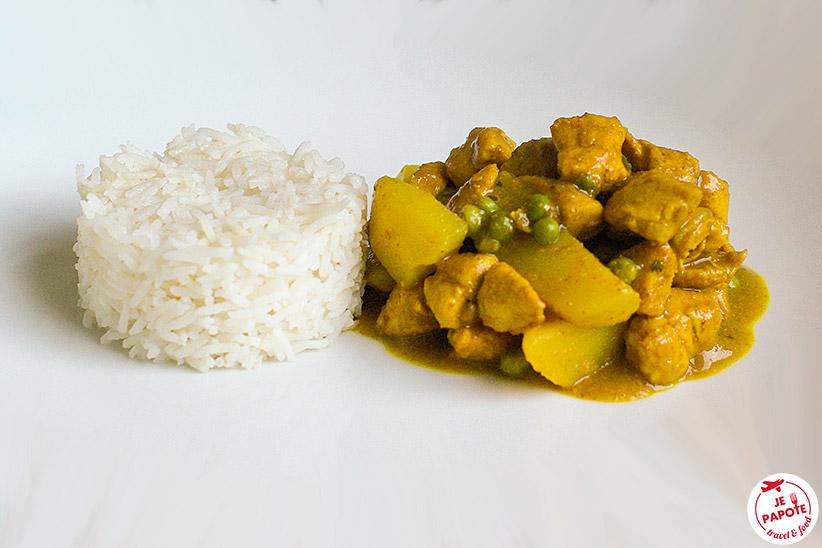
Caribbean Colombo: The Essential Spice and Where to Buy It in 2026
Caribbean colombo: the essential spice and where to buy it in 2026 Caribbean colombo is much more than a simple spice blend: it's the very soul of Caribbean cuisine. This golden powder with captivating aromas tells the story of the French Caribbean, a precious heritage passed down...
Caribbean Colombo Spice: An Essential Blend and Where to Buy It in 2026
Caribbean colombo represents much more than a simple spice blend: it's the very soul of Caribbean cuisine. This golden powder with its captivating aromas tells the story of the French Caribbean, a precious heritage passed down from generation to generation. Whether you're a seasoned cook or simply curious to discover the authentic flavours of the islands, understanding colombo spice will open the doors to an incomparable taste world.
The fascinating history of Caribbean colombo
The origin of Caribbean colombo takes us back to the 19th century, a pivotal period in Caribbean history. After the abolition of slavery in 1848, sugar cane plantations in Martinique and Guadeloupe faced a severe labour shortage. Colonial authorities then decided to bring in indentured workers from India, mainly from Tamil Nadu and Sri Lanka (then called Ceylon, hence the name "colombo", derived from the capital city Colombo).
These Indian immigrants, known as "coolies", brought with them much more than their labour: they carried their culinary culture, their traditions and, above all, their precious spice blends. Indian curry would transform, through contact with local ingredients and Creole influences, into what we know today as colombo.
A unique cultural fusion
What makes this Caribbean spice blend so special is precisely this meeting of two worlds. Traditional Indian spices blended with local flavours, creating a distinctly Caribbean taste identity. Colombo has become a symbol of cultural blending, perfectly reflecting the spirit of the Caribbean where different traditions coexist harmoniously.
Traditional composition of colombo spice
The secret to an authentic Caribbean colombo lies in the quality and balance of its ingredients. Here are the essential components that go into its preparation:
- Turmeric: the golden base that gives it its characteristic colour
- Coriander: roasted seeds, for a fresh, citrusy note
- Cumin: brings warmth and depth
- Mustard seeds: a distinctive spicy touch
- Fenugreek: slightly bitter, it balances the blend
- Black pepper: for a kick
- Chilli: more or less present depending on the region
- Cloves: a warm, aromatic note
- Ginger: freshness and zing
What sets an authentic Caribbean spice blend apart is roasting the whole seeds before grinding them. This step releases essential oils and develops incomparable aromas that an industrial colombo can never match.
How to use colombo in cooking?
Colombo spice is remarkably versatile in the kitchen. It enhances meat, fish, vegetables and legumes alike. Here are traditional uses and a few creative ideas:
Traditional dishes
Goat colombo remains the Caribbean's signature dish. This slow-simmered preparation pairs goat meat with local vegetables: christophine, yam, plantain and potato. Chicken colombo is a more accessible, equally delicious alternative.
Pork colombo also holds a place of honour on Guadeloupean and Martinican tables. The pork, marinated then simmered in colombo sauce, develops exceptional tenderness and flavour.
Contemporary versions
In 2026, chefs from the African and Caribbean diaspora in Europe are creatively reinventing colombo:
- Red lentil colombo for a delicious vegetarian option
- Fish colombo with local European species
- Colombo marinade for summer barbecues
- Root vegetable colombo, vegan style
- Colombo butter to accompany seafood and grilled dishes
Where to buy authentic Caribbean colombo in 2026?
Finding quality Caribbean colombo in Europe can be tricky. Between denatured industrial versions and characterless imitations, the informed consumer needs to know where to look. Fortunately, there are several ways to buy colombo online or in store.
Afro-Caribbean grocery stores
Specialised diaspora grocery stores are often the best source. You'll generally find colombos prepared following traditional recipes, sometimes even by local artisans. These local shops carry on precious know-how and deserve our support.
Markets and cultural events
Afro-Caribbean markets, increasingly common in major European cities, regularly offer authentic spices. These gatherings are also a chance to meet passionate producers who can advise you on the best uses for their products.
Buying colombo online: the convenient solution
For those without access to specialised grocery stores, buying colombo online is an excellent alternative. Marketplaces dedicated to Afro-Caribbean culture, like our AFASIN catalogue, offer a carefully curated selection of authentic products delivered straight to your door anywhere in Europe.
The advantage of a specialised platform lies in product traceability and an authenticity guarantee. This way, you're assured of receiving a Caribbean spice blend made in keeping with tradition.
Tips for choosing and storing your colombo
Not all colombos are created equal. Here are a few criteria for identifying a quality product:
- Colour: a beautiful orange-yellow indicates quality turmeric
- Smell: complex, balanced aromas, neither bland nor artificial
- Texture: a fine but not overly uniform powder suggests artisanal grinding
- Origin: favour Caribbean producers or diaspora artisans
- Ingredient list: watch out for additives and flavour enhancers
Optimal storage
To preserve all the aromatic qualities of your colombo spice, keep it in an airtight container, away from light and moisture. Ideally, use your colombo within six months of purchase to enjoy its full aromatic power.
Colombo: much more than a spice, a cultural heritage
Caribbean colombo embodies the richness of Caribbean culinary heritage. Every family has its own recipe, secretly passed down from mother to daughter, with jealously guarded proportions. This diversity is what makes the tradition so beautiful: there isn't just one colombo, but thousands of variations, each bearing the mark of its creator.
For the African and Caribbean diaspora in Europe, cooking with colombo is a tangible link to one's roots, a way of keeping Caribbean culture alive every day. The aromas rising from the pot instantly bring back memories of childhood, family celebrations and the warmth of the islands.
Cultural events not to miss
Celebrating Afro-Caribbean culture also means going out and enjoying live shows. If you want to have fun while staying connected to your roots, check out the upcoming events on AFASIN. This spring 2026, several talented artists are touring Europe:
Amel Bent kicks off her major tour with exceptional dates: 16 April at Halle Tony Garnier (from €49), 17 April at Zénith Sud (from €49), 18 April at Le Dôme (from €49), then 23, 24 and 25 April in Nantes, Rouen and Reims respectively.
Naza lights up the Accor Arena on 20 April 2026 (from €49), a night that promises to be memorable for all afro-trap fans.
Souad Massi, the captivating Algerian voice, performs at Théâtre Jean Vilar on 11 April (from €20) and at Espace culturel Boris Vian on 17 April (from €30.80).
For comedy fans, Fabrice Eboué presents "SolitudeS" on 10 April at Espace Pierre Bachelet (from €42), while Patson continues his show "Baltazar" at Le République with many dates in March and April (from €29).
Pairing food and atmosphere: our partner restaurants
To enjoy an authentic colombo prepared by expert chefs without having to cook, check our selection of partner Afro-Caribbean restaurants. These establishments carry on culinary traditions with passion and will take you on a journey with every meal.
FAQ about Caribbean colombo
What's the difference between colombo and curry?
While sharing common Indian origins, Caribbean colombo differs from curry in several ways. Colombo systematically contains mustard seeds and fenugreek in larger proportions, giving it a characteristic bitterness absent from classic curry. What's more, colombo adapted to Caribbean palates over the centuries, creating a unique aromatic profile — less spicy but more complex than its Indian cousin.
Can you make your own homemade colombo?
Absolutely! Making your own Caribbean spice blend at home guarantees unmatched freshness. Get the whole spices (turmeric, coriander, cumin, mustard seeds, fenugreek, black pepper), lightly toast them in a dry pan until they release their aromas, then grind them in a spice mill or mortar. The result will surpass any commercial colombo.
Is colombo suitable for vegetarian and vegan diets?
Caribbean colombo is naturally plant-based and perfectly suited to vegetarian and vegan diets. It wonderfully enhances vegetables, legumes (chickpeas, lentils, kidney beans) and tofu. A local-vegetable colombo — with christophine, sweet potato, plantain and yam — makes a complete, nutritious and deliciously fragrant dish.
Conclusion: bring colombo into your everyday cooking
Caribbean colombo fully deserves its place in every kitchen of the African and Caribbean diaspora in Europe. This iconic spice lets you rediscover the flavours of home, pass on a precious cultural heritage to your children, and share the richness of Caribbean cuisine with your friends.
Ready to elevate your dishes with authentic colombo? Head to afasin.com to discover our selection of authentic spices, Caribbean and African products, as well as the cultural events bringing the diaspora to life across Europe. Join a community that celebrates its roots with pride and flavour!
Updated on 7 August 2026