
 Fashion & Wax
 Beauty & Hair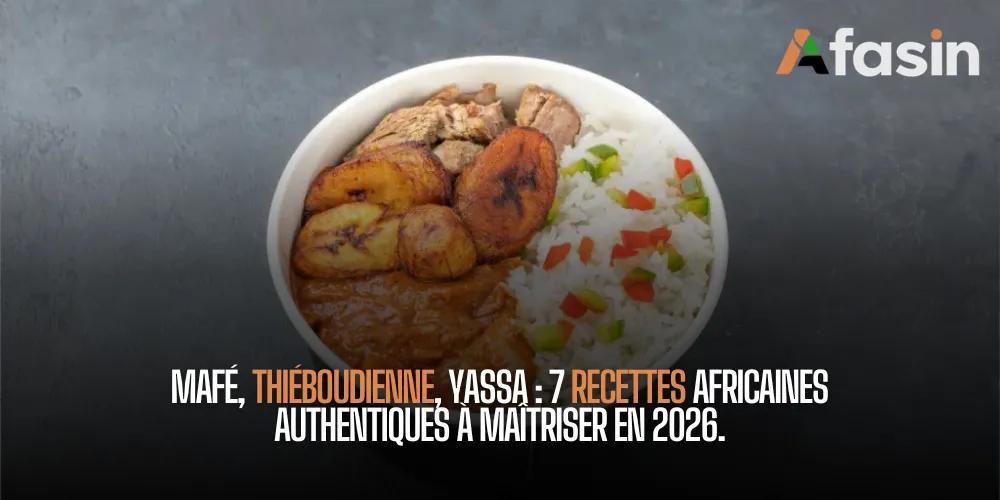
Mafé, Thiéboudienne, Yassa: 7 Authentic African Recipes to Master in 2026
Mafé, thiéboudienne, yassa: 7 authentic African recipes to master in 2026 African cuisine is experiencing real growth in Europe, and for good reason: its rich flavours, captivating spices and generous dishes are winning over more and more palates. Whether you're from the diaspora...
Mafé, Thiéboudienne, Yassa: 7 Authentic African Recipes to Master in 2026
African cuisine is booming in Europe, and for good reason: its rich flavours, enchanting spices and generous dishes are winning over more and more palates. Whether you're part of the diaspora and nostalgic for the flavours of your childhood, or simply curious to discover these culinary treasures, mastering authentic African recipes has become a must in 2026. In this article, we guide you step by step through 7 iconic dishes that are a source of pride for the continent.
Why is homemade African cooking so popular?
Homemade African cooking represents much more than just food: it's a living cultural heritage, a connection to one's roots and a moment of family sharing. In Europe, the African and Caribbean diaspora is proudly rediscovering these culinary traditions, passing these recipes down from generation to generation.
African ingredients are now more accessible than ever. Specialised grocery stores, markets and platforms like our AFASIN catalogue make it easy to find the authentic products needed to prepare these traditional dishes.
1. Senegalese mafé: the essential recipe
Origins and history of mafé
The Senegalese mafé recipe originates in Mali and Senegal, where it's considered a national dish. This creamy peanut-based sauce traditionally accompanies rice and is at the heart of Sunday family meals.
Ingredients for an authentic mafé (6 people)
- 1kg beef or chicken
- 250g natural peanut paste
- 4 fresh tomatoes or 200g tomato paste
- 2 medium onions
- 3 garlic cloves
- 1 stock cube (Maggi or Jumbo)
- Peanut oil
- Carrots, sweet potatoes, cabbage (to taste)
- Fresh chilli (optional)
- Salt and pepper
Step-by-step preparation
Brown the meat in oil until golden. Add the chopped onions and garlic, then stir in the tomato paste. Simmer for 10 minutes before adding the peanut paste diluted in a little warm water. Add the vegetables and cook over low heat for 45 minutes to 1 hour. The secret to a good mafé is patience: the longer it simmers, the more the flavours develop.
2. Traditional thiéboudienne: the jewel of Senegal
Traditional thiéboudienne, also known as "thiep" or "ceebu jën", is considered Senegal's ultimate national dish. Listed as UNESCO Intangible Cultural Heritage in 2021, this fish and rice dish is a true culinary masterpiece.
The secrets of a successful thiéboudienne
The key to this dish lies in the "rof" (a stuffing of parsley, garlic and chilli) inserted into the fish, and in the "yet" and "guedj" (fermented condiments) that give it that characteristic umami flavour. The rice must be cooked in the fish and vegetable broth to absorb all the flavours.
Essential ingredients
- 1kg fish (thiof, grouper or sea bream)
- 500g broken rice
- Assorted vegetables: cassava, carrot, eggplant, cabbage, turnip, okra
- Tomato paste
- Dried tamarind
- Parsley, garlic, chilli for the rof
- Vegetable oil
3. Easy chicken yassa: the perfect tang
Easy chicken yassa originates from Casamance, in southern Senegal. This dish stands out for its onion and lemon marinade, which gives the chicken incomparable tenderness and tang.
The marinade, a crucial step
For a successful yassa, the chicken must marinate for at least 2 hours, ideally overnight. The marinade is made of fresh lemon juice, a generous amount of sliced onions, garlic, mustard and oil. This step is non-negotiable for authentic flavour.
Grandmother's tips
Experienced cooks recommend using at least 1kg of onions for a whole chicken. The onions should be slowly caramelised to develop their natural sweetness, which contrasts with the lemon's tang. Serve with fragrant white rice.
4. Cameroonian poulet DG: festive elegance
Poulet DG (Directeur Général) gets its name from the fact that it was traditionally served at high-society receptions in Cameroon. This dish combines chicken, fried plantains and vegetables in a flavourful sauce.
Ingredients and preparation
- 1 chicken, cut into pieces
- 4 ripe plantains
- Assorted coloured bell peppers
- Carrots and green beans
- Fresh tomatoes
- Onions, garlic, ginger
- Spices: white pepper, nutmeg, thyme
What makes this dish special is that the plantains and chicken are pre-fried, then added to the sauce to finish cooking together.
5. Ndolé: Cameroon's green treasure
Ndolé is made from bitter leaves of the same name, thoroughly washed and cooked to mellow their taste. Combined with dried shrimp, crushed peanuts and meat or fish, this dish is the soul of Cameroonian cuisine.
Preparing the leaves
Ndolé leaves need special treatment to remove their bitterness: they must be boiled several times in water with a little salt or baking soda. This step requires patience and skill.
6. Alloco and its side: street food at its finest
Alloco, originating from Côte d'Ivoire, has become a classic of African street food in Europe. These fried plantains, golden and slightly caramelised, pair perfectly with saucy dishes or can be enjoyed on their own with a spicy sauce.
Tips for perfect alloco
- Choose ripe plantains (yellow skin speckled with black)
- Slice into 1cm-thick pieces
- Fry in hot oil
- Drain on paper towel
- Lightly sprinkle with salt
7. Jollof rice: the West African culinary battle
Jollof rice is the subject of a friendly rivalry between Nigeria and Ghana, with each country claiming the best version. This rice cooked in a spicy tomato sauce is a staple of celebrations.
The Nigerian version
Nigerian jollof stands out for its use of grilled red peppers (tatashe), fresh tomatoes and a spice blend including thyme, curry and bay leaf. The rice should be slightly smoky ("party jollof") thanks to a final high-heat cooking step.
Where to find authentic ingredients?
To successfully make these authentic African recipes, ingredient quality is essential. On AFASIN, you'll find everything you need: natural peanut paste, spices imported directly from Africa, red palm oil, dried ndolé leaves and much more.
If you'd rather enjoy these dishes prepared by professionals, discover our selection of authentic African restaurants near you.
Celebrate African culture beyond the kitchen
The richness of African culture also shines through music and live performance. This April 2026, several events celebrate artists from the diaspora:
Serge Beynaud lights up La Cigale on 12 April 2026 (from €60.00) with his Ivorian coupé-décalé rhythms. A perfect evening to dance after a good African meal!
GIMS launches his Summer Tour 2026 at Arena Stade Couvert on 18 April (from €62.00), while Naza takes over the Accor Arena on 20 April (from €49.00) for a landmark concert.
For comedy fans, Donel Jack'sman presents his new show at La Scène Parisienne on 11 and 18 April (from €27.00), and Fabrice Eboué continues his "SolitudeS" tour on 10 April at Espace Pierre Bachelet (from €42.00).
Find all these events on our events page.
FAQ: Your questions about authentic African recipes
Can you freeze African dishes like mafé or yassa?
Absolutely! Mafé and yassa freeze very well for 2 to 3 months. We recommend freezing the sauce separately from the rice to preserve texture. To thaw, place the dish in the fridge the night before, then reheat gently over medium heat, adding a little water if needed. The flavours actually deepen after a night's rest, making these dishes excellent candidates for batch cooking.
How do you adapt African recipes for vegetarians?
Homemade African cooking adapts wonderfully to a vegetarian diet. For mafé, replace the meat with root vegetables (sweet potato, cassava, yam) and mushrooms to add body to the dish. Yassa can be made with firm marinated tofu or textured soy protein. Jollof rice is naturally vegetarian when made without meat stock. The key is keeping the authentic spices and aromatics that define these dishes.
What kitchen tools are essential for African cooking?
To master these authentic African recipes, equip yourself with a large thick-bottomed pot for long cooking, a mortar and pestle for crushing fresh spices, and a fine strainer for washing leaves. A deep pan is ideal for frying alloco. Traditional cooks also use the "canari" (clay pot), which gives dishes a distinctive flavour, but a cast-iron casserole works perfectly well to recreate that same gentle, even cooking.
Conclusion: keep the African culinary tradition alive
Mastering these 7 authentic African recipes in 2026 means carrying on a centuries-old culinary heritage while adapting it to our European daily lives. Whether it's the family Senegalese mafé recipe on Sundays, traditional thiéboudienne for special occasions, or easy chicken yassa for a weeknight meal, every dish tells a story and creates memories.
Homemade African cooking brings people together, comforts and celebrates our roots. It's the tangible link between generations, a way to pass on heritage and pride through every dish shared as a family.
Updated on 7 August 2026