
 Fashion & Wax
 Beauty & Hair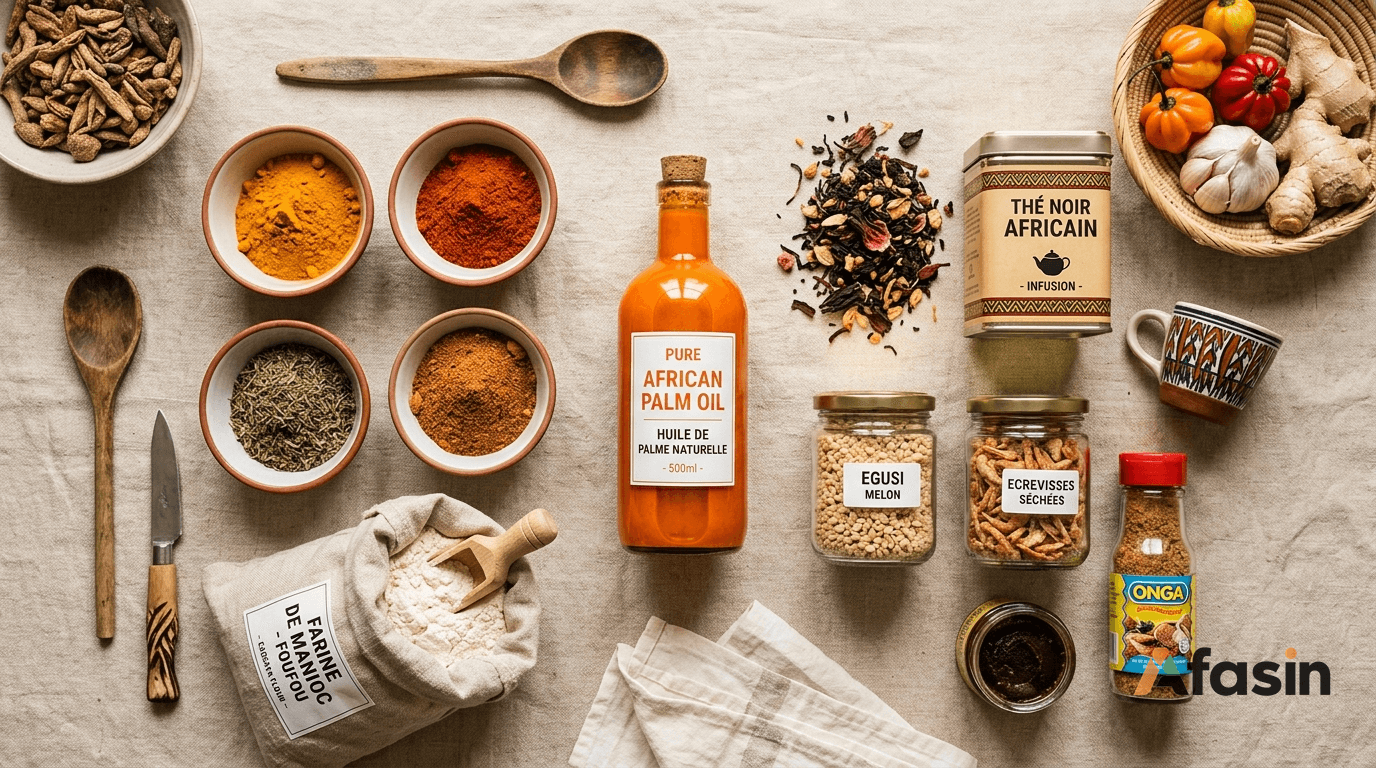
African Products: The Essentials You Absolutely Need to Know
African Products: Complete Guide to Discovering the Continent's Treasures African products are experiencing remarkable growth in Europe, driven by a diaspora proud of its roots and consumers increasingly curious to discover the authenticity and richness of the continent. Whether you...
African Products: The Complete Guide to Discovering the Continent's Treasures
African products are seeing remarkable growth in Europe, driven by a diaspora proud of its roots and consumers increasingly curious to discover the authenticity and richness of the continent. Whether you're from Africa, the Caribbean, or simply passionate about these vibrant cultures, this guide takes you on a journey to discover an exceptional heritage that crosses borders.
In April 2026, as Afro-Caribbean communities across Europe celebrate their heritage through major cultural events, it's time to dive into the fascinating world of African products that enrich our everyday lives.
The Extraordinary Diversity of African Products
Africa, with its 54 countries and more than 3,000 ethnic groups, offers an incomparable variety of products. This diversity is reflected in every aspect of daily life, from food to cosmetics, through crafts and fashion.
Food Products: At the Heart of Tradition
African food is built on age-old ingredients with exceptional nutritional properties. Among the most iconic African food products are:
- Fonio: this ancient Sahel grain, considered Africa's oldest, is naturally gluten-free and rich in essential amino acids. Nutritionists around the world now consider it a superfood.
- Food-grade shea butter: used in West African cooking, it adds a unique flavour to traditional dishes and has recognised anti-inflammatory properties.
- Red palm oil: unrefined, it's rich in vitamins A and E. It forms the base of many traditional recipes from Cameroon, Nigeria and Congo.
- Bissap (hibiscus): these dried flowers make a refreshing drink with antioxidant properties, enjoyed from Senegal all the way to Egypt.
- African spices: Penja pepper from Cameroon, selim seeds, cubeb, grains of paradise... these aromatic treasures turn every dish into a taste journey.
To explore this culinary richness, head to our catalogue, where you'll find an authentic selection of these precious ingredients.
Natural Cosmetics: Ancestral Beauty Secrets
African cosmetic products are growing in popularity thanks to their natural composition and effectiveness proven over generations. African women have always known how to make the most of resources in their environment to care for their skin and hair.
- Shea butter: the true white gold of Burkina Faso and Mali, it hydrates, protects and regenerates skin like no other product.
- Baobab oil: extracted from the seeds of Africa's tree of life, it fights skin aging and deeply nourishes hair.
- African black soap: made from plant ash and shea butter, this soap from Ghana purifies the skin while respecting it.
- Marula oil: from Southern Africa, this light oil absorbs quickly and suits all skin types.
- Rhassoul: this Moroccan clay naturally cleanses and purifies without irritating the skin.
African Crafts: Skill and Authenticity
Crafts represent the creative soul of the continent. Every object tells a story, carries on a tradition and supports communities of talented artisans.
Textiles and Fashion
African fabrics are recognised worldwide for their beauty and symbolism:
- Wax: these colourful prints have become iconic in contemporary African fashion.
- Kente: royal Ghanaian fabric, every pattern carries a specific meaning.
- Bogolan: this Malian fabric dyed with fermented mud represents a unique ancestral art.
- Bazin: damask fabric prized for special occasions in West Africa.
Decorative Objects and Art
Handcrafted African products bring warmth and character to our homes:
- Ebony wood or bronze sculptures
- Woven baskets with geometric patterns
- Traditional masks steeped in spirituality
- Bead, bronze or silver jewellery
- Decorative pottery and ceramics
The Economic and Social Impact of African Products
Buying authentic African products means taking part in a fairer, more sustainable economy. By choosing these products, you:
- Support local producers: shea-producing women's cooperatives, weaving artisans, cocoa farmers...
- Preserve age-old know-how: every purchase helps keep centuries-old traditions alive.
- Champion fair trade: many supply chains guarantee fair pay for producers.
- Reduce your environmental footprint: traditional African products are often natural, biodegradable and handmade.
Where to Find Authentic African Products in Europe?
The African and Caribbean diaspora in Europe has built a dynamic distribution network. AFASIN, as a dedicated marketplace, makes it easier to access these treasures by connecting consumers with authentic sellers.
Beyond online shopping, cultural events are excellent opportunities to discover African products. Concerts and shows often bring together exhibitors offering crafts, fashion and food.
In fact, this spring 2026 is packed with exceptional events celebrating Afro-Caribbean culture. Fally Ipupa performs at the Stade de France on 2 and 3 May 2026 (from €63.00), a historic event for Congolese music in Europe. Tayc presents his show "Joya, Le Chant des Joyeux" at La Seine Musicale on 15 and 16 May 2026 (from €39.00). Not to mention the talented Fatoumata Diawara, an ambassador for Malian music, on tour from 5 to 21 May 2026 across several French cities (from €29.70).
These moments of cultural sharing are perfect for discovering the world of African products. Check our events section so you don't miss any of this exceptional programme.
How to Recognise Quality African Products?
With more and more offerings on the market, here are a few tips for identifying authentic African products:
- Check the origin: a quality product clearly states its country of origin and, ideally, its region of production.
- Favour certifications: fair trade, organic or protected designation of origin labels guarantee quality.
- Look at the craftsmanship: minor imperfections are often a sign of authentic handmade work.
- Learn about the seller: passionate shopkeepers know the story behind their products.
- Be wary of prices that are too low: a quality product has a fair cost that properly pays producers.
African Products in Contemporary Gastronomy
Chefs around the world are now incorporating African products into their cooking. This culinary trend shines a light on long-overlooked ingredients and showcases the continent's culinary heritage.
In Europe, many restaurants offer reimagined or traditional African cuisine. These establishments actively help introduce people to the continent's authentic flavours. To find these addresses near you, explore our directory of Afro-Caribbean restaurants.
FAQ: Your Questions About African Products
Are African products suitable for sensitive skin and people with allergies?
Most African cosmetic products are natural and not chemically processed, which generally makes them well tolerated by sensitive skin. Pure shea butter, for example, is hypoallergenic and even suitable for babies. However, as with any product, a patch test beforehand is recommended. When it comes to food, products like fonio are naturally gluten-free, making them suitable for people with intolerances. Always check the composition and don't hesitate to consult a healthcare professional if in doubt.
How do you properly store African food products?
Storage varies by product. Grains like fonio or millet keep for several months in an airtight container, away from light and moisture. Unrefined oils (red palm, baobab) should be stored in a cool place and used within six months of opening. Spices keep their aroma longer when whole rather than ground. Food-grade shea butter keeps for up to two years in a cool place. Dried leaves (bissap, kinkeliba) stay good for several months in well-sealed bags.
What's the difference between African products sold in supermarkets and those from specialised shops?
African products available in supermarkets are often adapted for the European market: standardised packaging, modified recipes and sometimes added ingredients for preservation. Specialised shops and marketplaces like AFASIN generally offer more authentic products, imported directly from countries of origin, with traditional recipes preserved. Traceability is often better, and you benefit from the advice of knowledgeable shopkeepers. What's more, buying from specialised sellers directly supports communities of origin and fair-trade supply chains.
Conclusion: Bring African Products into Your Everyday Life
African products represent much more than simple goods: they're ambassadors for a continent rich in history, culture and know-how. By incorporating them into your daily life, you're choosing authenticity, natural quality, and support for producing communities.
Whether you're looking for ingredients to cook the dishes of your childhood, natural cosmetics to care for yourself, or handcrafted objects to decorate your home, the diversity of African products will meet your expectations.
At AFASIN, we're committed to offering you a carefully curated selection of authentic products, sourced directly from trusted sellers. Our marketplace celebrates the richness of Afro-Caribbean culture and makes these treasures accessible to the entire European diaspora.
Ready to explore the world of African products? Head to afasin.com now to discover our full catalogue, book your spot at upcoming cultural events, and find the best Afro-Caribbean restaurant addresses near you. Together, let's celebrate and share the beauty of our heritage!
Updated on 7 August 2026