
 Fashion & Wax
 Beauty & Hair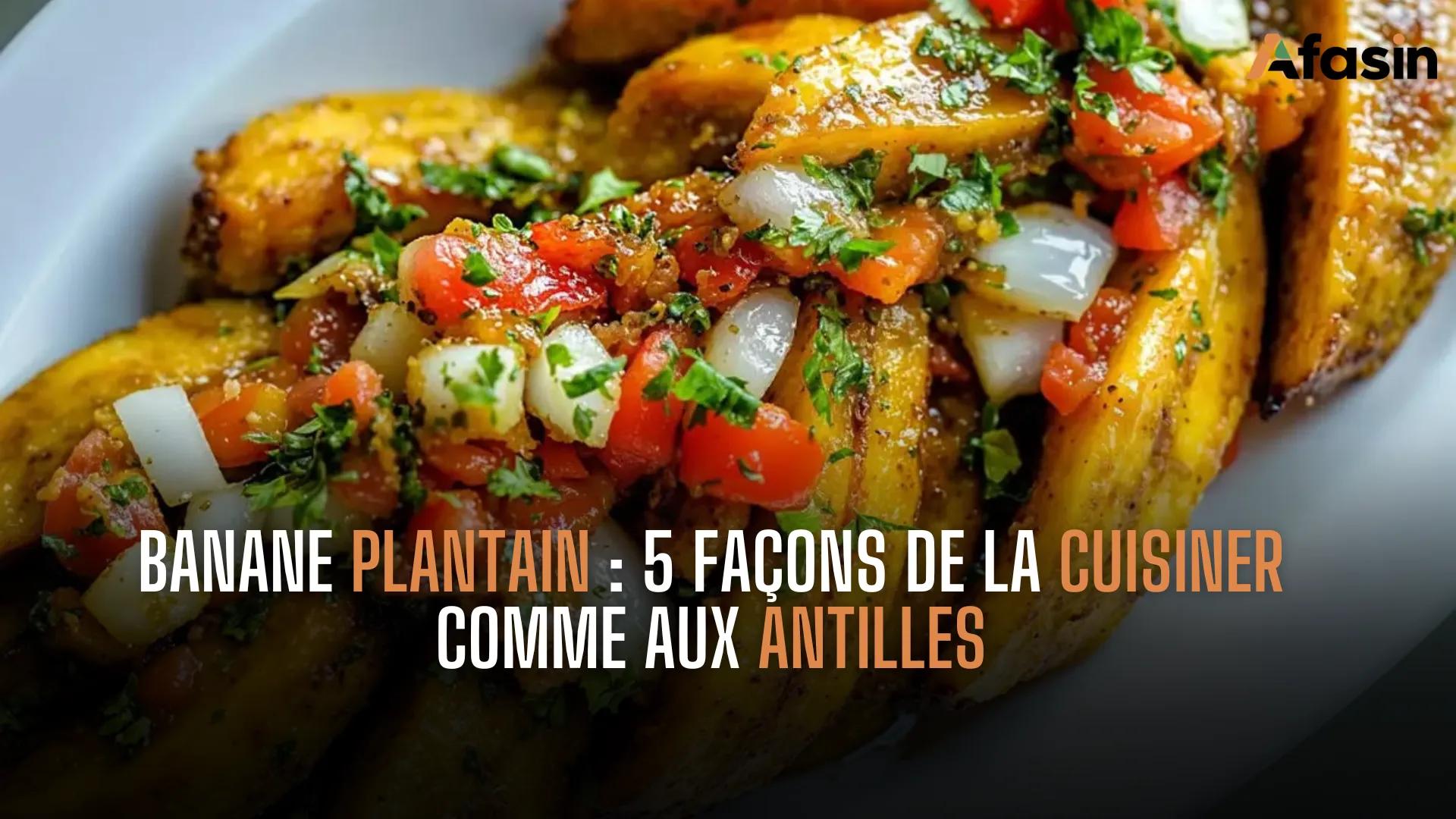
Plantain: 5 Ways to Cook It Like in the Caribbean
Plantain: 5 ways to cook it like in the Caribbean In the kitchens of Martinique, Guadeloupe, French Guiana and well beyond, one ingredient reigns supreme on family tables: the plantain. This generous fruit, a sturdy cousin of the dessert banana, forms the base of...
Plantain: 5 Ways to Cook It Like in the Caribbean
In the kitchens of Martinique, Guadeloupe, French Guiana and well beyond, one ingredient reigns supreme on family tables: the plantain. This generous fruit, a sturdy cousin of the dessert banana, forms the base of many dishes that have shaped generations. Whether you're from the Caribbean, West Africa, or simply curious to discover these authentic flavours, this plantain recipe guide will transport you straight to the tropics.
At AFASIN, we celebrate the culinary richness of the Afro-Caribbean diaspora in Europe every day. Today, we invite you on a taste journey through five iconic preparations that turn this simple fruit into a true culinary treasure.
Why is plantain essential in Caribbean cooking?
Before diving into our recipes, let's understand what makes plantain so special. Unlike its sweet cousin, which is eaten raw, plantain is only ever eaten cooked. Its firm flesh and starch content make it a perfect side for saucy dishes, grilled meats and fish.
In the French Caribbean, plantain accompanies traditional chicken colombo, fish court-bouillon or the famous Creole boudin. In West Africa, it pairs beautifully with mafé, that creamy peanut-based sauce. This versatility explains why this fruit-vegetable crosses borders and cultures with such ease.
How to choose your plantain
The secret to a good plantain recipe starts with choosing the right fruit:
- Green: firm and starch-rich, ideal for chips, tostones or as a side for savoury dishes
- Yellow: slightly sweet, perfect for classic frying
- Black: very ripe and sweet, excellent for desserts or well-caramelised alloco
You'll easily find quality plantains in our tropical products catalogue, carefully selected for the European diaspora.
1. Fried plantain: the Creole table staple
Fried plantain is arguably the most widespread and beloved preparation. Simple in appearance, it still takes some skill to achieve that crispy outside and soft inside it's known for.
Ingredients for 4 people
- 4 ripe plantains (yellow with a few black spots)
- Vegetable oil for frying (peanut or sunflower)
- Fine salt
How to make fried plantain
Start by peeling your plantains. Careful, their skin is tougher than that of regular bananas! Make an incision along the fruit and remove the skin in sections. Then cut the plantains into thick slices, about 2cm, or diagonal slices for a more elegant presentation.
Heat the oil in a deep pan or deep fryer to 170°C (340°F). Add the plantain pieces in small batches so as not to drop the oil temperature. Fry for 3 to 4 minutes on each side until nicely golden.
Drain on paper towel and salt lightly. Serve immediately to enjoy maximum crispiness. This fried plantain pairs wonderfully with a goat colombo, smoked chicken, or simply a good grill.
2. Alloco: West Africa's treasure
Alloco comes straight from Côte d'Ivoire, where this dish is a real street food staple. Crispy, slightly caramelised thanks to the advanced ripeness of the bananas, alloco is enjoyed at any time of day.
The real Ivorian alloco recipe
For an authentic alloco recipe, choose very ripe, almost black plantains. That's the secret to that characteristic slightly sweet taste and melt-in-the-mouth texture.
- 4 very ripe plantains
- Red palm oil (or vegetable oil)
- 1 chopped onion
- Fresh chilli, to taste
- Salt
Peel and cut the plantains into thick slices. In a large pan, heat a generous amount of palm oil. This traditional oil gives alloco its distinctive orange colour and unique taste. Fry the slices until nicely golden and slightly caramelised.
Meanwhile, sauté the chopped onions separately with the chilli. Serve the alloco topped with the spicy onions. In Côte d'Ivoire, this dish is often served with grilled fish or fried eggs for a complete, comforting meal.
3. Tostones: the crispy Caribbean touch
Coming from Puerto Rico, the Dominican Republic and Cuba, tostones bring a different technique well worth knowing. These twice-fried green plantain patties offer an incomparable texture.
The tostones technique
Use only green plantains for this recipe. Cut them into 3cm chunks. Fry them once for 3 minutes in hot oil. Remove and gently flatten with the bottom of a glass or a tostones press (tostonera) to form flat patties.
Then return these patties to the hot oil for a second fry of 2 minutes, until perfectly crispy. Salt and serve with a garlic sauce (mojo) or a spicy Creole sauce.
4. Plantain mafé: the Afro-Caribbean fusion
The pairing of plantain and mafé is one of the finest expressions of diaspora cuisine. This combination brings together the best of West Africa and the Caribbean in perfect harmony.
Making an authentic mafé with plantain
Mafé, that creamy peanut-based sauce, is traditionally made with chicken or beef. To incorporate plantain, add slices of semi-ripe plantain to the sauce towards the end of cooking, about 15 minutes before serving.
- 500g meat of your choice
- 4 tablespoons peanut paste
- 2 fresh tomatoes
- 2 yellow plantains
- 1 onion
- Chicken stock
- Salt, pepper, chilli
The plantain gently absorbs the flavours of the sauce while keeping its texture. It brings a sweetness that balances the rich, robust peanut base. This plantain mafé is traditionally served with fragrant white rice.
5. Plantain gratin: Creole elegance
For special occasions, or simply for a change, plantain gratin brings a refined touch to your table. Popular in the Caribbean during end-of-year celebrations, this dish turns the humble plantain into a gourmet centrepiece.
Plantain gratin recipe
- 6 ripe plantains
- 200g smoked lardons
- 300ml crème fraîche
- 100g grated cheese
- Nutmeg
- Salt and pepper
Cook the peeled plantains in salted boiling water for 15 minutes. Drain and slice. Sauté the lardons. In a buttered gratin dish, arrange the plantain slices, sprinkle with lardons, top with the cream seasoned with nutmeg, and cover with grated cheese.
Bake at 180°C (355°F) for 25 minutes until nicely browned on top. This dish pairs perfectly with roast pork, or stands on its own for a hearty vegetarian dinner.
Where to find authentic ingredients in Europe?
The Afro-Caribbean diaspora in Europe knows how hard it can be to find quality products to recreate these recipes. At AFASIN, we've built a marketplace dedicated to your culinary needs. Our catalogue offers fresh plantains, palm oil, artisanal peanut pastes and all the spices needed to cook like back home.
And because culture also lives through entertainment, don't forget to check our upcoming events. This April 2026, the African and Caribbean music scene is buzzing across Europe! Serge Beynaud will be at La Cigale on 12 April (from €60), Didi B lights up the Zénith Paris - La Villette on 19 April (from €57.90), and Naza takes over the Accor Arena on 20 April (from €49). Perfect evenings after a good plantain meal!
FAQ: Everything about plantain
Can you eat plantain raw?
No, unlike the dessert banana, plantain is always eaten cooked. Raw, it's hard to digest and unpleasant to taste due to its high starch content. Whether fried, boiled, grilled or mashed, cooking is essential to bring out its flavour and nutritional qualities.
How do you store plantains?
Plantains keep at room temperature. Green, they can last up to two weeks. To speed up ripening, place them in a paper bag with an apple. Once very ripe (black), you can peel and freeze them for later use in your recipes.
What's the difference between fried plantain and alloco?
The main difference lies in the ripeness of the banana used and the accompaniment. Caribbean fried plantain generally uses yellow bananas and is served plain. The Ivorian alloco recipe favours very ripe, almost black bananas, fried in palm oil and served with onions and chilli. The end result differs in taste and texture.
Conclusion: celebrate your roots on your plate
The plantain recipe in all its forms represents much more than a simple dish: it's a link to our origins, a culinary heritage passed down from generation to generation. Whether you're making fried plantain for your Sunday meal, an alloco recipe to relive the flavours of Abidjan, or a plantain mafé to fuse traditions, every bite tells a story.
At AFASIN, we're proud to support the Afro-Caribbean diaspora in Europe in preserving these culinary traditions. Visit afasin.com to discover our selection of authentic products, explore our partner restaurants that showcase these recipes, and book your spot at the cultural events that celebrate our shared richness.
Share your creations with us on social media using the hashtag #AFASINCuisine and stay up to date with your African and Caribbean online grocery store.
Updated on 7 August 2026