
 Fashion & Wax
 Beauty & Hair
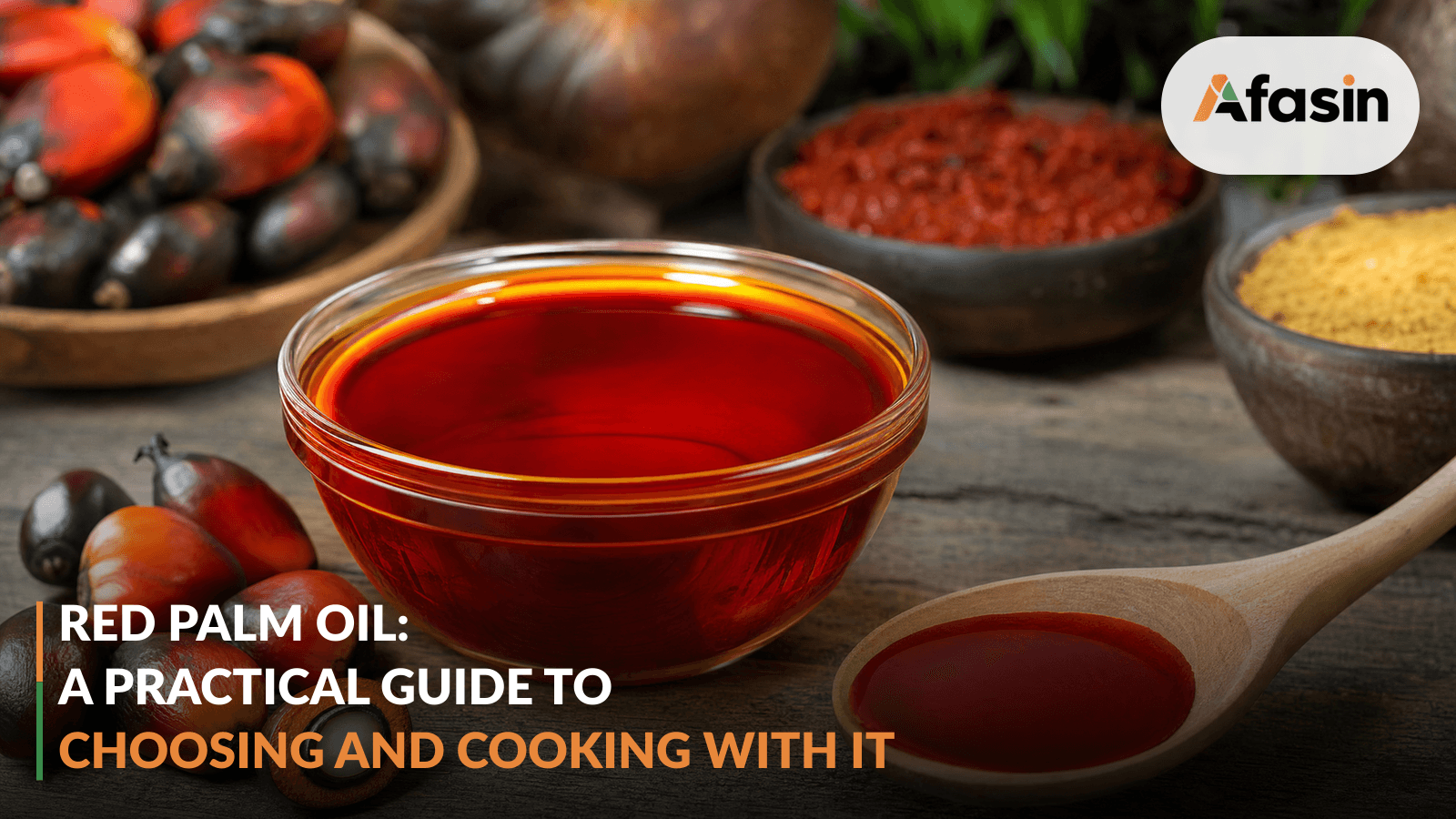
Red Palm Oil: A Practical Guide to Choosing and Cooking With It
Deep orange-red color, earthy aroma, a texture that solidifies at cool room temperature: learn to spot quality red palm oil and use it in traditional sauces.
Deep orange-red, earthy in aroma, and prone to solidifying at cool room temperature: red palm oil bears little resemblance to the refined, colorless palm oil found in industrial products. Here's how to choose it well and cook with it properly.
An oil unlike any other
Red palm oil, extracted from the pulp of the oil palm fruit (not its kernel, which yields palm kernel oil), owes its intense orange-red color to naturally occurring carotenoids — the same pigments found in carrots or sweet potatoes. That vivid hue is a good quality signal: the more pronounced it is, the more the oil has retained its natural compounds. Its flavor is rich, earthy, and slightly smoky, very different from a neutral vegetable oil. Another distinctive trait: at cool room temperature, it partially solidifies into a soft, buttery texture, turning liquid again as soon as it's gently warmed.
How to spot good quality red palm oil
- Color: a bold, deep orange-red — never pale or yellowish — signals that it has kept its carotenoids.
- Smell: a rich, slightly fruity, earthy aroma, with no chemical note or flat, empty smell.
- Texture: semi-solid when cool, it should turn smooth and liquid again with a little gentle heat.
- How it's produced: where possible, choose unrefined, cold-pressed or artisanally produced oil rather than a heavily refined, deodorized, and bleached one, which has lost much of its color, flavor, and nutrients.
- The label: look for words like "unrefined," "artisanal," or "cold-pressed" rather than a generic "palm oil."
Sauce graine, jollof-style rice, plantains: traditional uses
Across West and Central Africa, red palm oil is a staple ingredient, used for centuries as the main fat in countless sauces and simmered dishes. To preserve its flavor and nutrients, it's best cooked gently rather than at very high heat for a long time — excessive heat can strip away some of its distinctive taste and beneficial compounds. It's often lightly sautéed with onions, garlic, and spices as an aromatic base before the rest of the sauce ingredients are added.
- Sauce graine, made from palm nut pulp, simmered with meat or fish.
- Moambe (or mwambe), the well-known palm nut cream sauce emblematic of Central Africa.
- Riz gras ("fatty rice"), where red palm oil colors and flavors rice cooked with vegetables and protein.
- Ripe or green plantain dishes, pan-fried or simmered in a little red palm oil with warming spices.
Our African oils
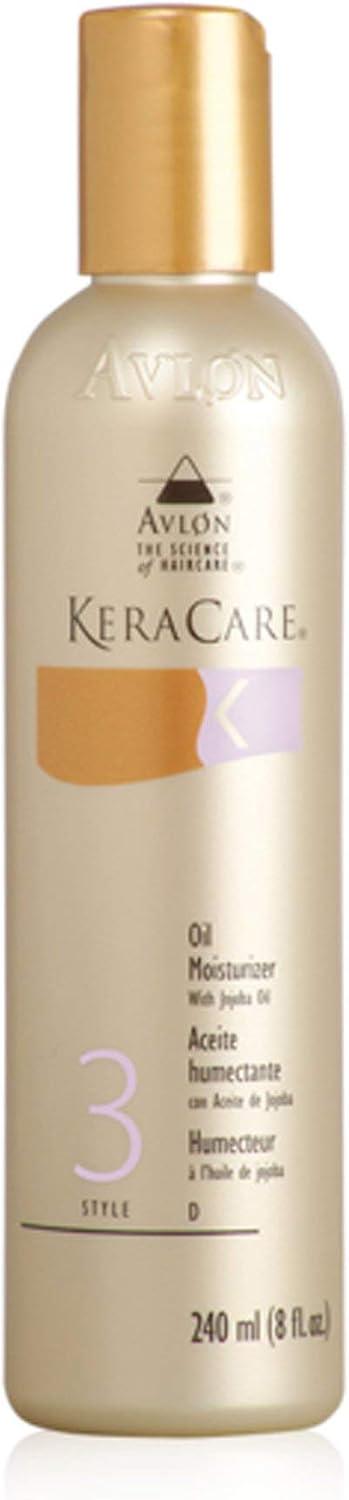
KeraCare Jojoba Oil Moisturizer 240ml
9,81 €
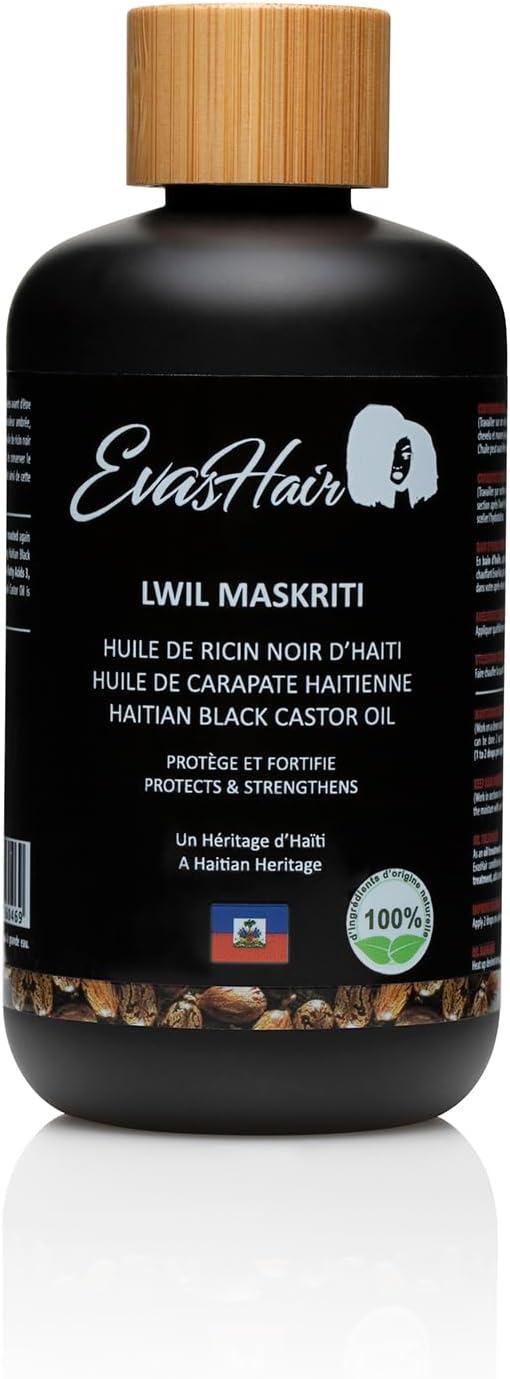
EvasHair Oil
30,00 €
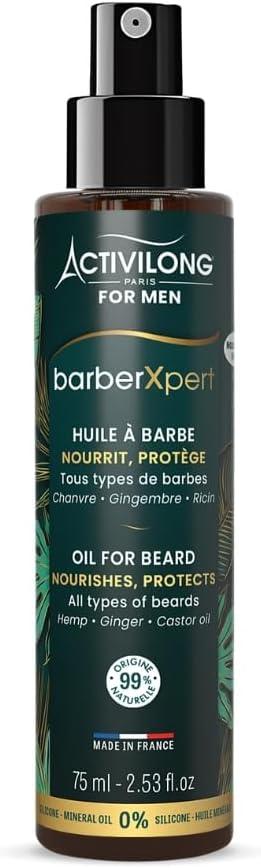
Activilong for Men Oil
13,90 €
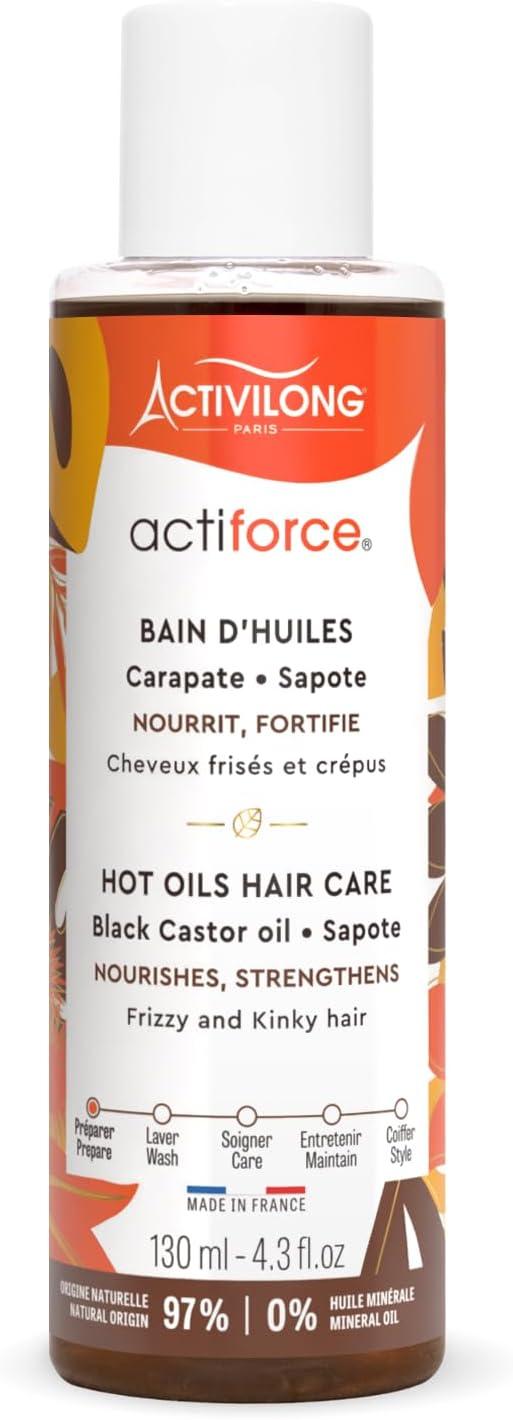
Activilong Actiforce Oil
9,59 €
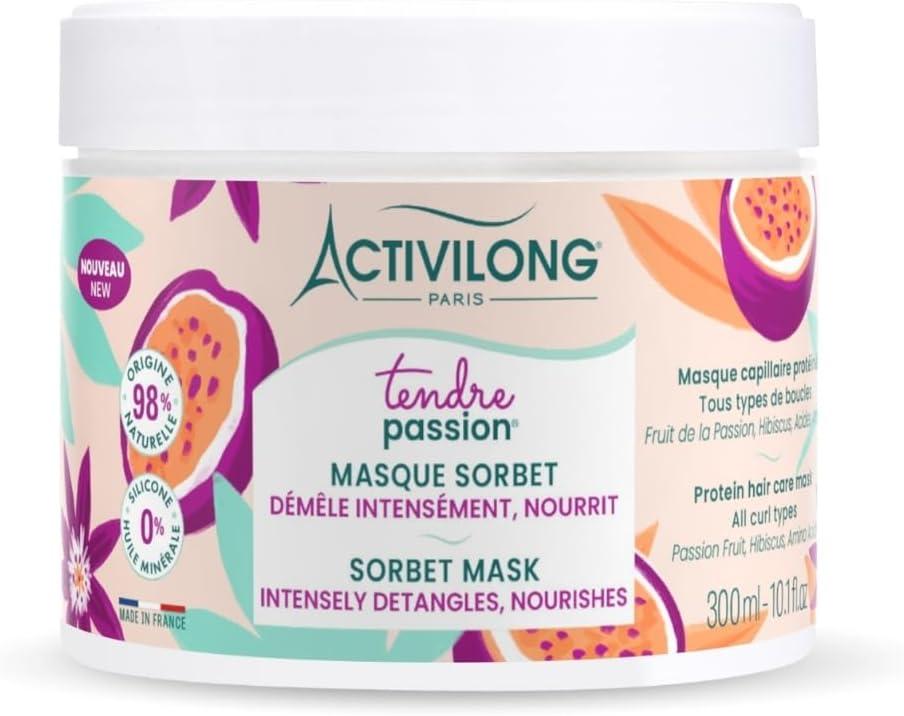
Activilong Tendre Passion Sorbet Mask – for wavy, curly and coily hair
13,23 €
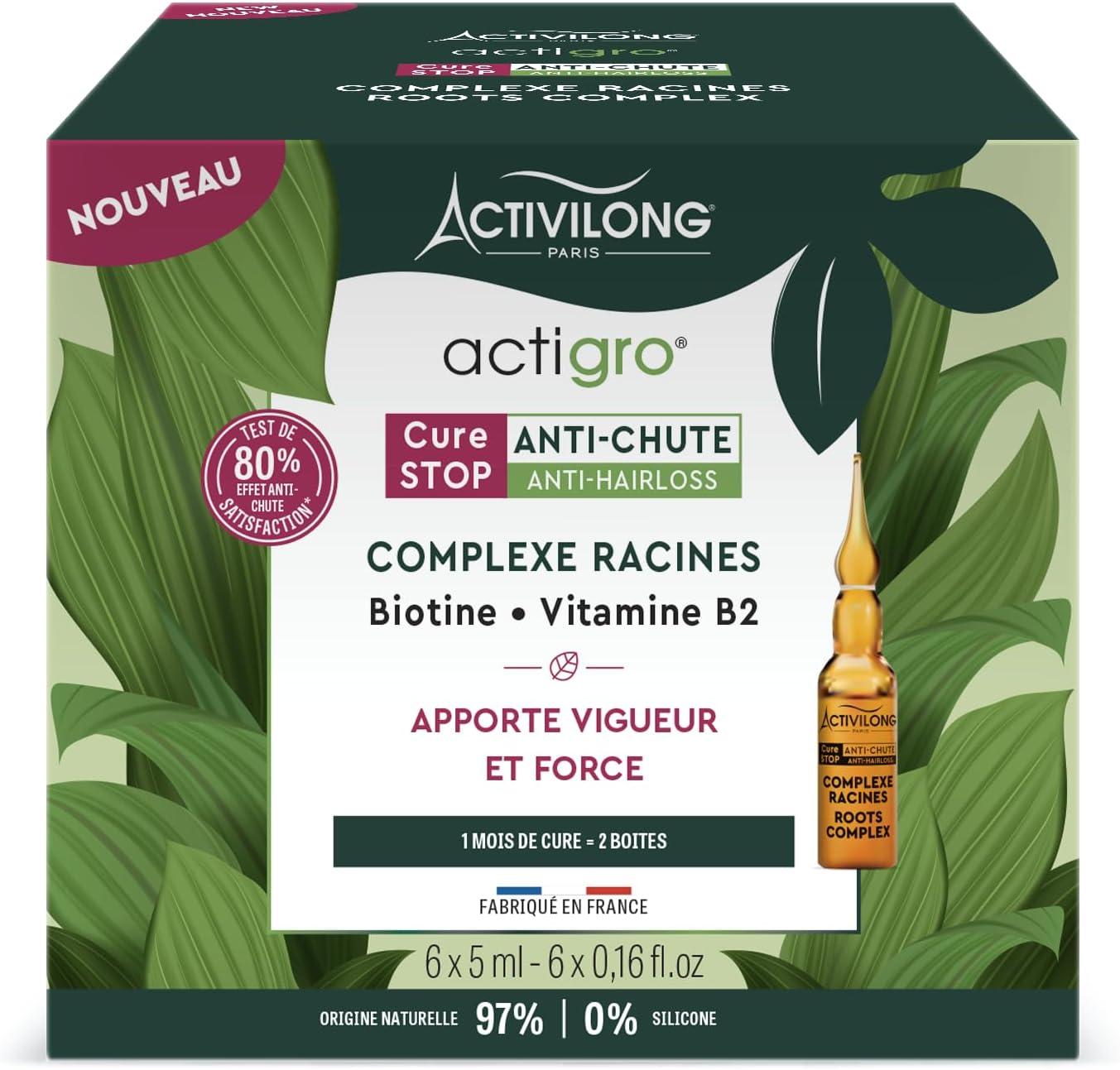
Activilong Actigro Root Ampoules
14,80 €
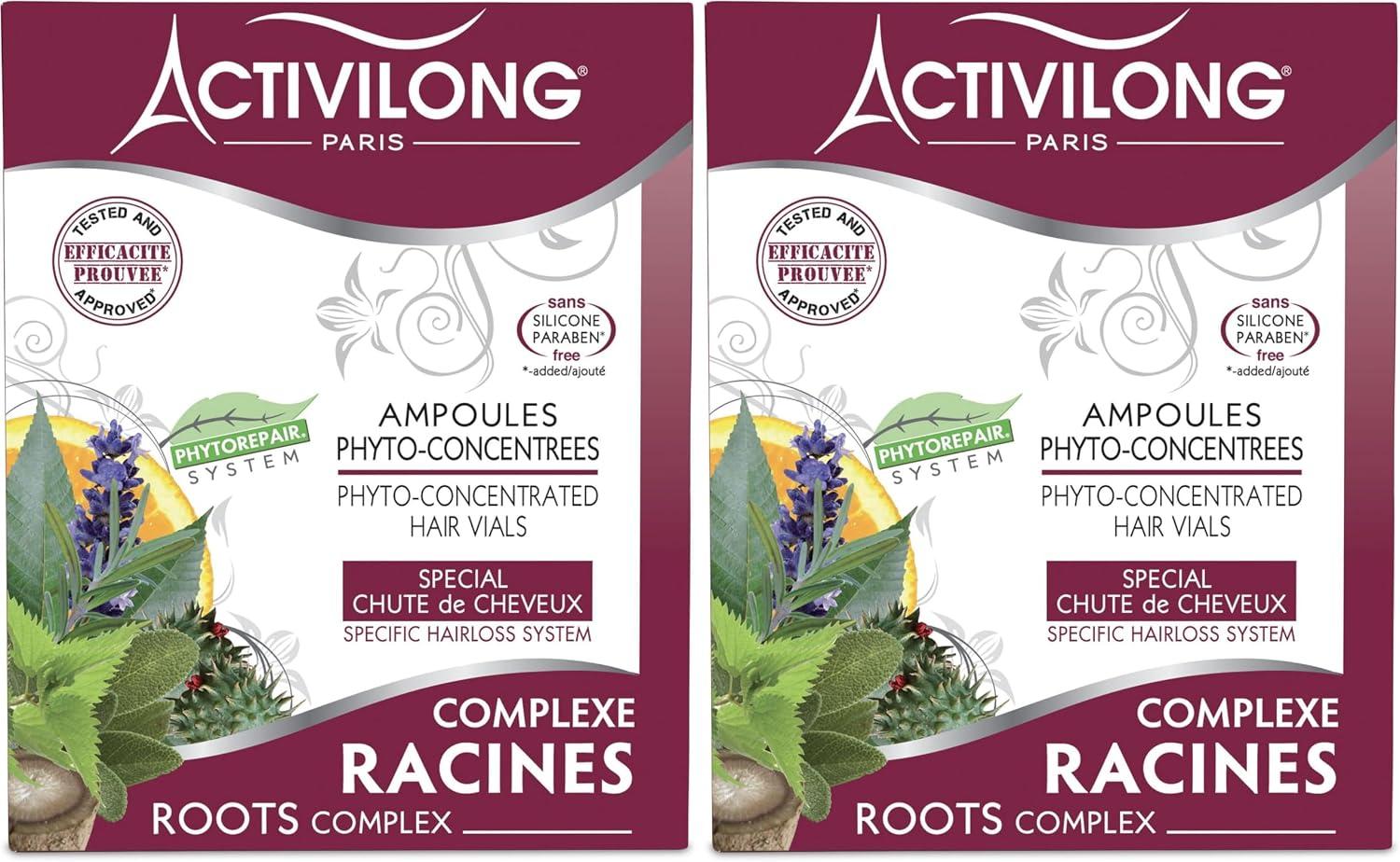
Activilong Root Ampoules
14,42 €
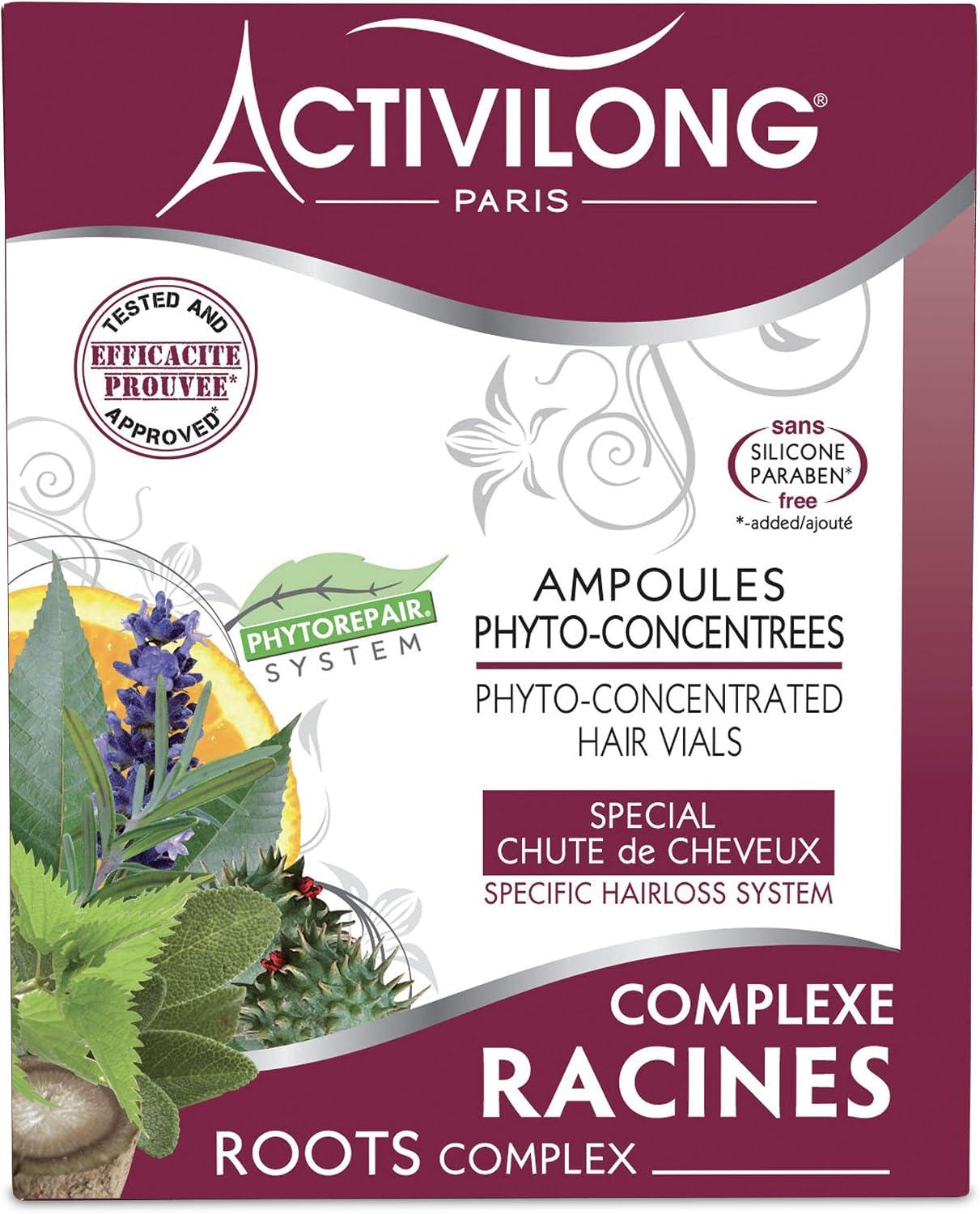
Activilong Root Ampoules
7,21 €
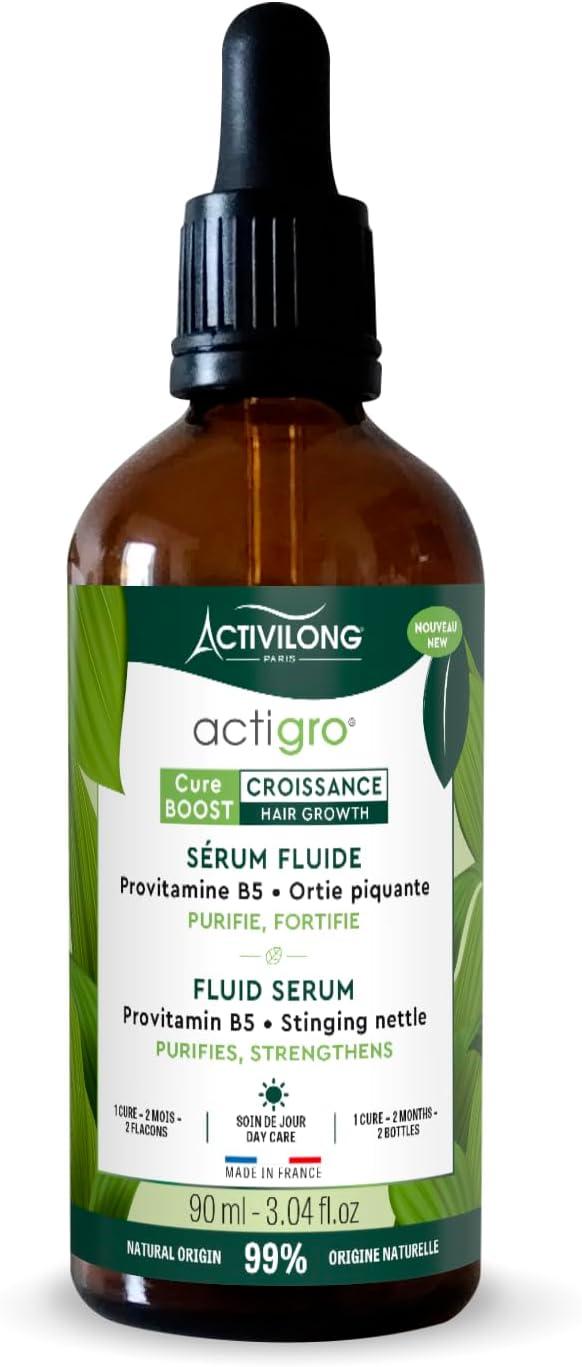
Activilong Actigro Fluid Serum
14,80 €
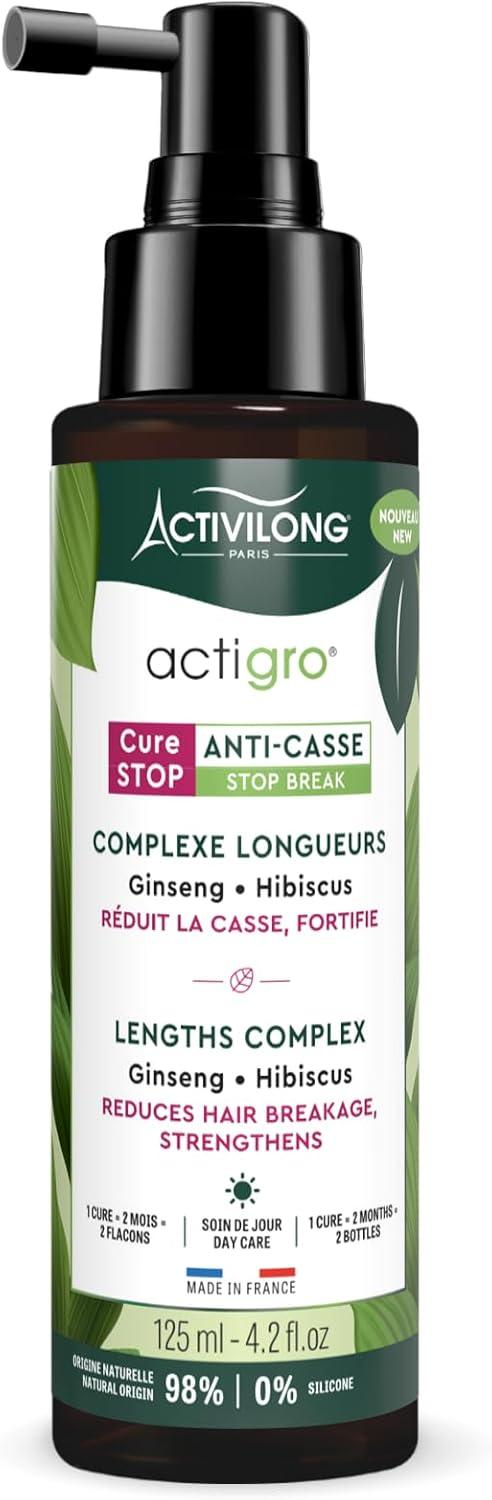
Activilong Actigro Length Complex
13,64 €
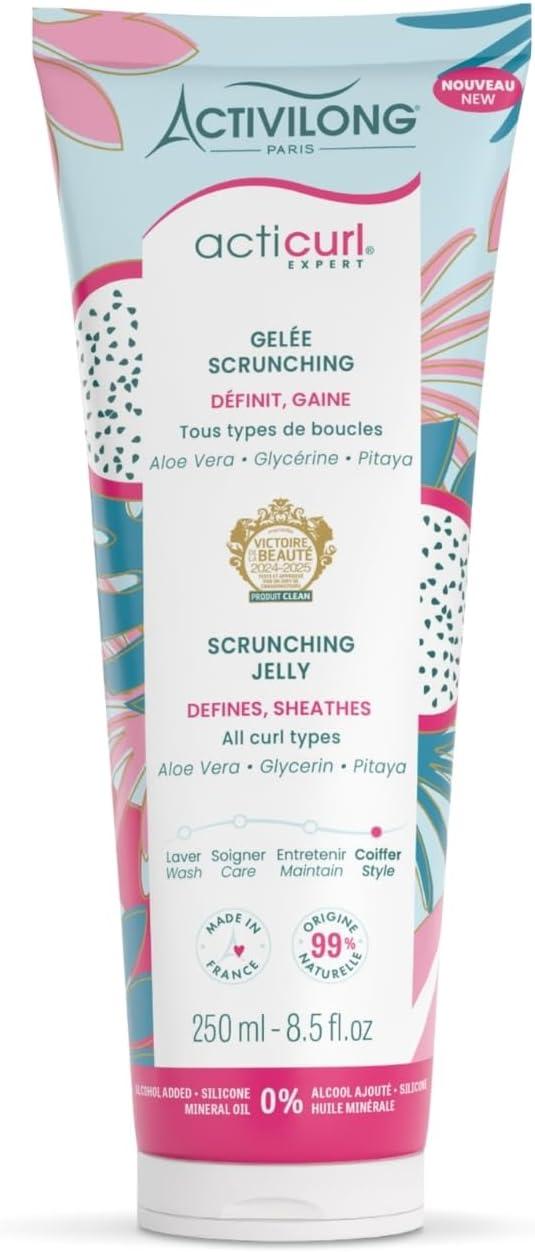
Activilong Acticurl Expert Scrunching Jelly – for wavy, curly and coily hair
11,59 €
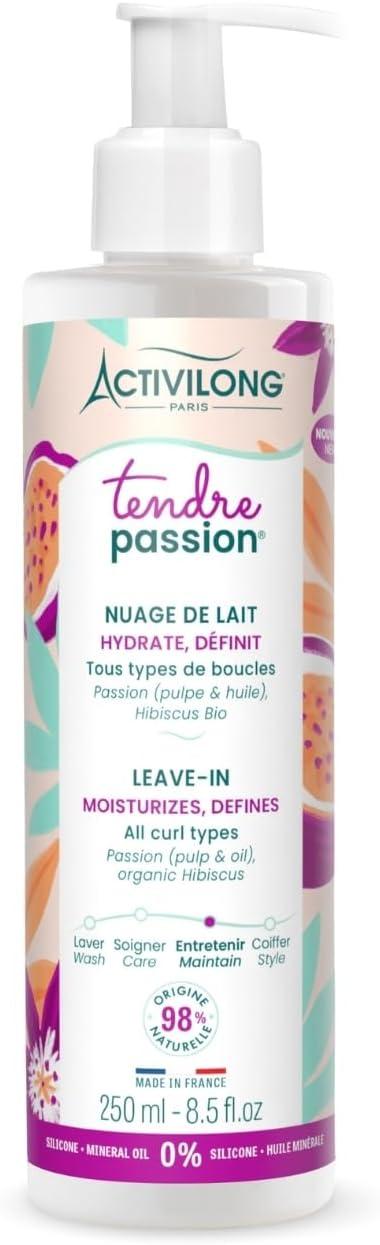
Activilong Tendre Passion Milk Cloud – for wavy, curly and coily hair
10,60 €
A note on sustainability. Industrial palm oil production, particularly in Southeast Asia, has been widely linked to deforestation and habitat destruction — a legitimate, serious issue that shouldn't be brushed aside. Red palm oil as traditionally produced in West and Central Africa, the region where the oil palm originates, is often a different story: small-scale farms and artisanal methods practiced for generations, at a scale far removed from large industrial monocultures. That doesn't automatically make every production method sustainable, though. Whenever possible, choose oils from small producers, ideally with a clearly stated origin and production method, over anonymous industrial oil.
Chosen carefully and cooked with a gentle hand, red palm oil brings a color, flavor, and identity that nothing else quite replaces in West and Central African cooking. Take a moment to check the label, smell the oil before using it, and choose a responsible source when you can — it's a small choice that makes a real difference.
Updated on 13 October 2026