
 Fashion & Wax
 Beauty & Hair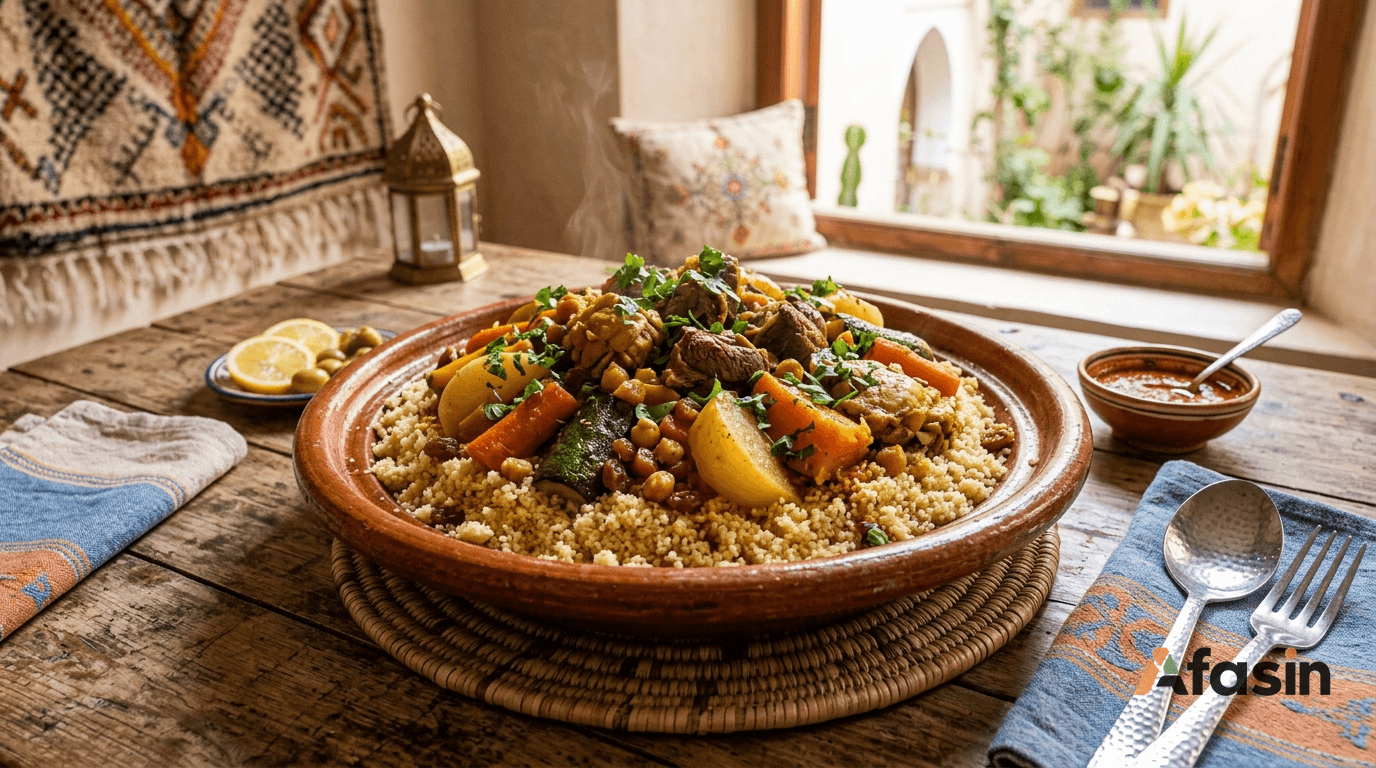
African Couscous: Differences, Recipes and Traditions from the Maghreb to Sub-Saharan Africa
Couscous comes in many forms across Africa: Maghrebi, Senegalese, Central African. Discover the different traditions and recipes.
Couscous isn't only Maghrebi! Sub-Saharan Africa has its own versions of granular semolina: from Senegalese thiéré to Sahel millet couscous.
What is African couscous?
The term "couscous" refers to a rolled grain semolina, steamed to cook. While Maghrebi durum wheat couscous is the best known in France, sub-Saharan Africa produces its own versions made from millet, sorghum, maize or cassava (attiéké). These sub-Saharan couscous varieties have very different textures and flavours from Maghrebi couscous.
In West Africa, thiéré (Senegalese millet couscous) is prepared for major celebrations and Ramadan. It can be served sweet (with curdled milk and sugar) or savoury (with a meat or chicken sauce). In Mali and Burkina Faso, white sorghum couscous is an everyday staple.
Origin: long before the Maghreb
The technique of rolling grains to create a semolina has existed in Africa for millennia. The earliest written records of couscous date back to the 13th century in the Maghreb, but similar techniques had existed for far longer in sub-Saharan Africa for processing millet and sorghum. Colonisation and trans-Saharan trade allowed for mutual spread and enrichment of techniques.
In 2020, Maghrebi couscous was added to UNESCO's intangible cultural heritage list through a joint bid by Algeria, Morocco, Mauritania and Tunisia. But its sub-Saharan cousins — thiéré, attiéké, millet couscous — deserve to be just as well known.
Differences between African couscous types
Wheat couscous (Maghrebi): durum wheat semolina, light and golden texture, served with a vegetable and meat broth. Thiéré (Senegalese): millet couscous, heavier and earthier, served sweet with curdled milk or savoury with sauce. Attiéké (Ivorian): fermented cassava couscous, fine, slightly tangy texture. Maize couscous: thicker and yellow, common in East and Central Africa.
How do you steam couscous?
The traditional method: lightly moisten the grains with cold water, place them in a couscoussier over simmering stock, steam for 20 minutes, fluff by hand or with a fork with a little oil, then steam again for 15 minutes. This double steaming gives a perfect, light, lump-free texture.
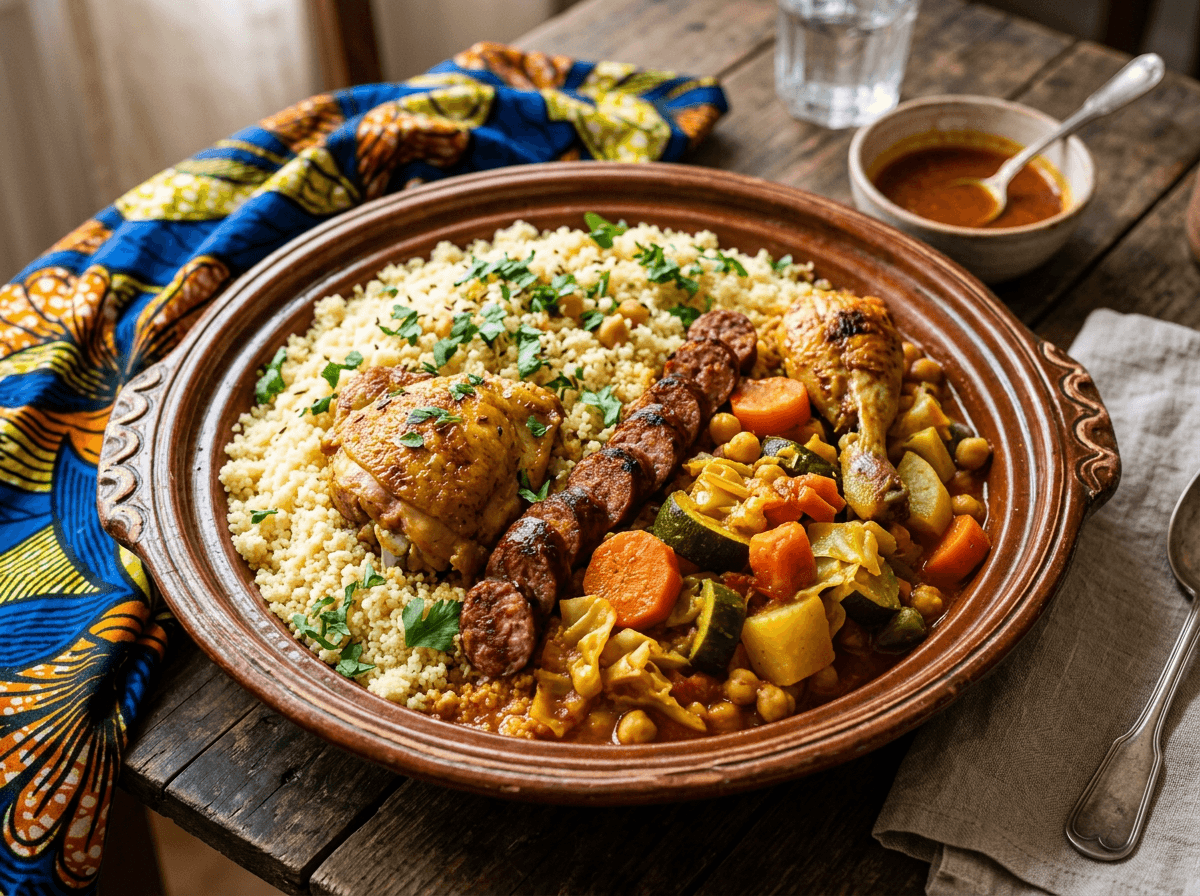
Our African couscous recipes
African couscous recipes
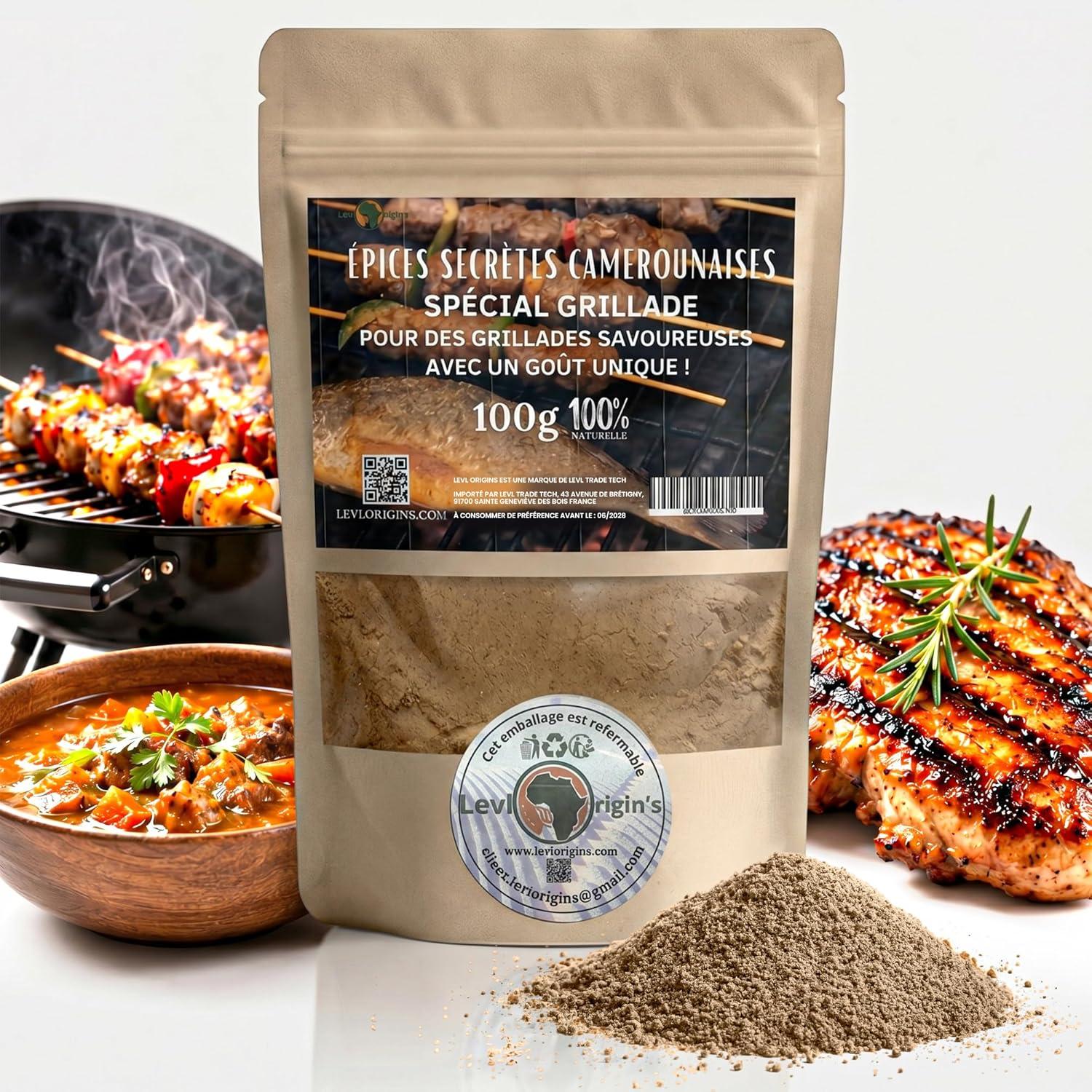
Spices for perfect couscous
Good couscous relies on quality spices. Discover our African and Maghrebi spice blends to elevate your dishes.
African spices and condiments
For light, fluffy couscous: after each steaming, fluff the grains with a fork and a knob of butter or olive oil. Never cover the couscous right after cooking — let the moisture escape.
Updated on 8 August 2026