 Mode & Wax
 Beauté & Cheveux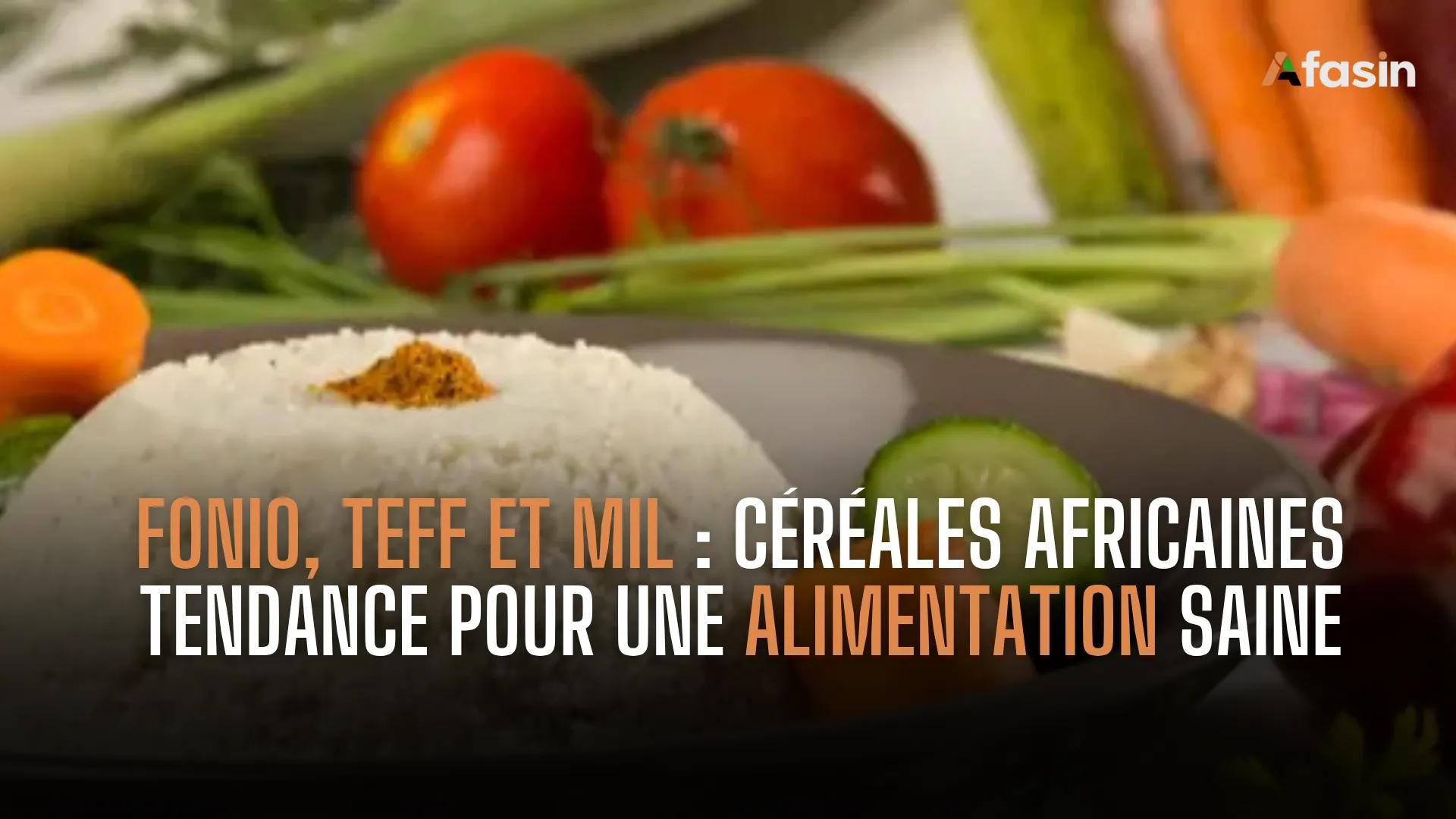
Fonio, Teff and Millet: Trendy African Grains for Healthy Eating in 2026
Fonio, teff and millet: trendy African grains for healthy eating in 2026 As the whole world looks for nutritious alternatives to traditional grains, African grains are establishing themselves as the true stars of healthy eating in 2026. Fonio, teff and...
Fonio, teff et mil : céréales africaines tendance pour une alimentation saine en 2026
Alors que le monde entier recherche des alternatives nutritives aux céréales traditionnelles, les céréales africaines s'imposent comme les véritables stars de l'alimentation saine en 2026. Le fonio, le teff et le mil, cultivés depuis des millénaires sur le continent africain, conquièrent désormais les cuisines européennes et séduisent une diaspora fière de redécouvrir ses trésors ancestraux.
Ces graines précieuses, longtemps méconnues en Occident, représentent bien plus qu'une simple tendance alimentaire. Elles incarnent un retour aux sources, une reconnexion avec un patrimoine culinaire d'une richesse exceptionnelle. Pour la diaspora africaine et caribéenne en Europe, intégrer ces céréales dans son quotidien, c'est perpétuer une tradition tout en adoptant une alimentation moderne et équilibrée.
Le fonio : la plus ancienne céréale d'Afrique aux bienfaits exceptionnels
Surnommé « la graine de l'univers » par le peuple Dogon du Mali, le fonio est considéré comme la plus ancienne céréale cultivée en Afrique de l'Ouest. Ses origines remontent à plus de 5000 ans, et cette petite graine dorée n'a rien perdu de sa pertinence nutritionnelle.
Les bienfaits du fonio pour votre santé
Les fonio bienfaits sont nombreux et scientifiquement documentés. Cette céréale se distingue par :
- Un index glycémique très bas : idéal pour les personnes diabétiques ou souhaitant contrôler leur glycémie
- Une richesse en acides aminés essentiels : notamment la méthionine et la cystéine, rares dans les autres céréales
- Une excellente digestibilité : parfait pour les estomacs sensibles et les personnes convalescentes
- Une teneur élevée en fer et zinc : contribuant à lutter contre l'anémie
- Naturellement sans gluten : une alternative précieuse pour les personnes intolérantes
En Guinée, au Sénégal et au Mali, le fonio est traditionnellement servi lors des grandes occasions. Les mères le préparent pour les jeunes mariées et les femmes enceintes, reconnaissant instinctivement ses vertus nutritives que la science moderne confirme aujourd'hui.
Comment cuisiner le fonio au quotidien ?
Le fonio se prépare facilement en 5 à 10 minutes seulement. Vous pouvez l'utiliser comme accompagnement à la place du riz ou du couscous, l'incorporer dans des salades fraîches, ou même le transformer en porridge pour un petit-déjeuner énergisant. Sa texture légère et son goût subtil de noisette s'adaptent à toutes les préparations.
Découvrez notre sélection de fonio de qualité supérieure, directement sourcé auprès de producteurs africains, dans notre catalogue en ligne.
Le teff : la super-céréale éthiopienne naturellement sans gluten
Originaire des hauts plateaux éthiopiens, le teff est la base de l'alimentation en Éthiopie et en Érythrée depuis plus de 3000 ans. Cette minuscule graine, dont le nom signifie « perdu » en amharique (tant elle est petite qu'elle se perd facilement), est pourtant un géant nutritionnel.
Le teff sans gluten : l'allié des intolérants
Le teff sans gluten représente une véritable révolution pour les personnes souffrant de maladie cœliaque ou de sensibilité au gluten. Contrairement à de nombreuses alternatives sans gluten souvent pauvres en nutriments, le teff offre :
- 20% de protéines de haute qualité : un taux exceptionnel pour une céréale
- Une richesse incomparable en calcium : 100g de teff contiennent plus de calcium qu'un verre de lait
- Des fibres en abondance : favorisant une digestion saine et une sensation de satiété durable
- Du fer hautement assimilable : les coureurs éthiopiens, réputés pour leur endurance exceptionnelle, attribuent en partie leurs performances à leur consommation quotidienne de teff
- Des antioxydants puissants : protégeant les cellules du vieillissement prématuré
L'injera : le pain traditionnel au teff
L'injera, cette galette spongieuse et légèrement acidulée, est l'incarnation culinaire du teff. Servant à la fois d'assiette et de couverts dans la cuisine éthiopienne, elle accompagne les ragoûts épicés et les légumes mijotés. Sa fermentation naturelle lui confère des propriétés probiotiques bénéfiques pour la flore intestinale.
Au-delà de l'injera, le teff s'invite dans les pâtisseries, les smoothies protéinés, et même les pâtes fraîches maison. Sa farine, disponible en version claire ou complète, offre une polyvalence remarquable en cuisine.
Envie de goûter à l'authentique cuisine éthiopienne ? Explorez les restaurants partenaires AFASIN qui proposent des plats traditionnels préparés avec amour.
Le mil : le pilier nutritionnel de l'Afrique subsaharienne
Le mil, également appelé millet en français, est la céréale la plus consommée en Afrique subsaharienne. Du Sahel à l'Afrique de l'Est, cette graine robuste nourrit des millions de personnes et joue un rôle crucial dans la sécurité alimentaire du continent.
Mil recettes : de la tradition à l'innovation
Les mil recettes traditionnelles témoignent de la créativité culinaire africaine :
- Le thiakry sénégalais : un dessert onctueux à base de mil, yaourt et sucre, parfumé à la fleur d'oranger
- Le dégué malien : proche du thiakry, souvent servi lors des fêtes et célébrations
- La bouillie de mil : le petit-déjeuner traditionnel par excellence, nourrissant et réconfortant
- Le couscous de mil : une alternative au couscous de blé, plus digeste et nutritive
- Le sankhal : des grains de mil cuits à la vapeur, accompagnés de sauce
En 2026, les chefs de la diaspora réinventent ces classiques. Le mil s'invite dans les bowls protéinés, les barres énergétiques maison, et les galettes végétales. Sa saveur douce et légèrement sucrée en fait un ingrédient de choix pour les préparations sucrées comme salées.
Les vertus nutritionnelles du mil
Le mil se distingue par sa composition nutritionnelle exceptionnelle :
- Riche en magnésium : essentiel pour le système nerveux et la gestion du stress
- Source de vitamines B : cruciales pour le métabolisme énergétique
- Faible index glycémique : adapté aux régimes de contrôle du poids
- Protéines complètes : idéal pour les régimes végétariens et végans
- Naturellement sans gluten : comme le fonio et le teff
Les alternatives céréales saines : pourquoi choisir les céréales africaines ?
Face à la multiplication des alternatives céréales saines, les céréales africaines se démarquent par plusieurs atouts majeurs :
Un impact environnemental réduit
Le fonio, le teff et le mil sont des cultures résilientes qui nécessitent peu d'eau et s'adaptent aux sols pauvres. Dans un contexte de changement climatique, leur culture représente une solution durable et responsable. En les consommant, vous soutenez une agriculture respectueuse de l'environnement et des communautés locales.
Un soutien aux producteurs africains
Chaque achat de céréales africaines contribue à l'économie du continent et à l'amélioration des conditions de vie des agriculteurs. Chez AFASIN, nous travaillons en partenariat direct avec des coopératives locales pour garantir une rémunération juste et des pratiques agricoles durables.
Une reconnexion avec l'héritage culinaire
Pour la diaspora africaine et caribéenne, cuisiner ces céréales ancestrales représente un acte de transmission culturelle. C'est partager avec ses enfants les saveurs de ses origines, perpétuer des traditions millénaires tout en embrassant une alimentation moderne et consciente.
Comment intégrer les céréales africaines dans votre alimentation quotidienne ?
Adopter les céréales africaines ne nécessite pas de révolutionner vos habitudes. Voici quelques conseils pratiques :
- Commencez progressivement : remplacez une portion de riz ou de pâtes par semaine par du fonio ou du teff
- Expérimentez au petit-déjeuner : le porridge de mil ou de teff offre une alternative nutritive aux céréales industrielles
- Utilisez les farines : la farine de teff ou de mil enrichit vos pâtisseries en nutriments
- Préparez des salades complètes : le fonio froid se marie parfaitement avec les légumes croquants et les vinaigrettes parfumées
Célébrez votre culture lors des événements à venir
La redécouverte des céréales africaines s'inscrit dans un mouvement plus large de célébration de nos cultures. En avril 2026, de nombreux artistes de la diaspora se produisent à travers l'Europe. Ne manquez pas Didi B le 19 avril 2026 au Zénith Paris - La Villette (dès 57.90€) pour une soirée inoubliable aux rythmes de la Côte d'Ivoire, ou Naza + 1ère Partie le 20 avril 2026 à l'Accor Arena (dès 49.00€) pour vibrer sur ses tubes incontournables.
Pour les amateurs de reggae et de musique caribéenne, Yaniss Odua se produira le 30 avril 2026 à La Traverse (dès 25.00€), une occasion parfaite de célébrer les liens entre l'Afrique et les Caraïbes.
Et pour un moment historique, réservez dès maintenant vos places pour Fally Ipupa au Stade de France le 3 mai 2026 (dès 63.00€), un concert événement qui marquera l'histoire de la musique congolaise en Europe.
Retrouvez tous les événements culturels de la diaspora sur AFASIN.
FAQ : Vos questions sur les céréales africaines
Le fonio, le teff et le mil sont-ils vraiment sans gluten ?
Oui, ces trois céréales africaines sont naturellement exemptes de gluten, ce qui les rend parfaitement adaptées aux personnes atteintes de maladie cœliaque ou de sensibilité au gluten. Cependant, vérifiez toujours que le produit n'a pas été contaminé lors de la transformation ou du conditionnement en choisissant des marques certifiées sans gluten.
Où peut-on acheter des céréales africaines de qualité en Europe ?
Les céréales africaines sont de plus en plus disponibles dans les épiceries africaines, les magasins bio, et bien sûr sur les marketplaces spécialisées comme AFASIN. Notre catalogue propose une sélection rigoureuse de fonio, teff et mil, sourcés directement auprès de producteurs respectueux des traditions et de l'environnement.
Comment conserver les céréales africaines pour préserver leurs qualités nutritionnelles ?
Conservez vos céréales africaines dans des contenants hermétiques, à l'abri de la lumière et de l'humidité. Stockées dans de bonnes conditions, elles se conservent facilement 6 à 12 mois. Pour les farines, privilégiez le réfrigérateur afin de préserver leurs qualités nutritionnelles et éviter le rancissement.
Conclusion : Adoptez les céréales africaines pour une alimentation saine et authentique
Le fonio, le teff et le mil ne sont pas simplement des alternatives alimentaires tendance : ils représentent un héritage culinaire précieux, une solution nutritionnelle complète, et un choix éthique et durable. En les intégrant à votre alimentation quotidienne, vous nourrissez votre corps avec des aliments d'exception tout en honorant les traditions ancestrales du continent africain.
La diaspora africaine et caribéenne en Europe a aujourd'hui la chance de pouvoir accéder facilement à ces trésors nutritionnels. C'est une opportunité de transmettre aux nouvelles générations le goût authentique de nos cultures, tout en embrassant les exigences d'une alimentation moderne et consciente.
Prêt à découvrir les saveurs authentiques de l'Afrique ?
Mis à jour le 17 avril 2026