
 Mode & Wax
 Beauté & Cheveux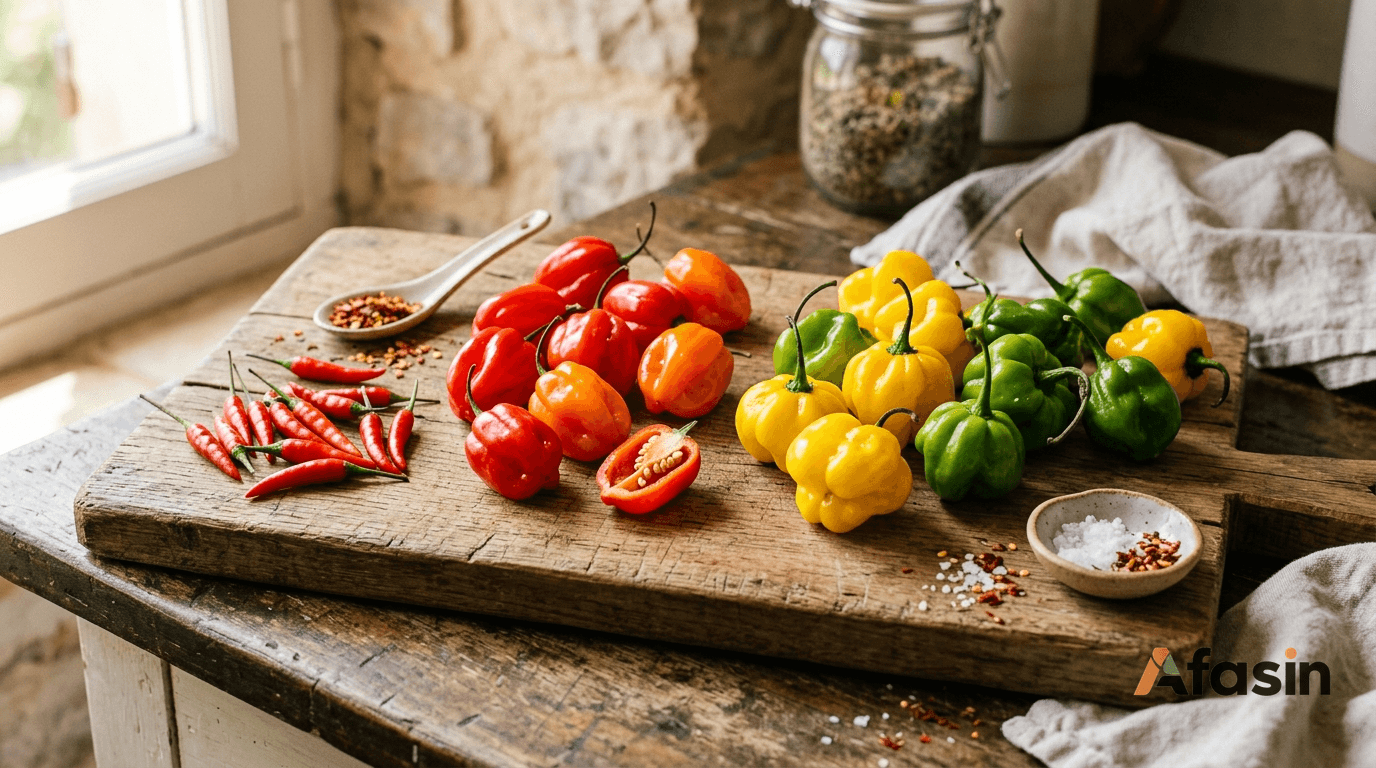
Caribbean Chilli: Varieties, Uses and Where to Buy Online in 2026
Caribbean chilli: varieties, uses and where to buy online in 2026 Caribbean chilli is much more than a simple condiment in Caribbean cooking: it's a true culinary heritage passed down through generations. Whether you're from the Caribbean, the African diaspora...
Piment antillais : variétés, utilisations et où acheter en ligne en 2026
Le piment antillais est bien plus qu'un simple condiment dans la cuisine caribéenne : c'est un véritable patrimoine culinaire transmis de génération en génération. Que vous soyez originaire des Antilles, de la diaspora africaine et caribéenne en Europe, ou simplement amateur de saveurs authentiques, découvrir les différentes variétés de piments antillais et leurs utilisations vous ouvrira les portes d'un univers gustatif incomparable. Dans ce guide complet, nous explorons ensemble les secrets de ces trésors épicés et vous indiquons où trouver les meilleures épices caribéennes en ligne en 2026.
L'histoire et l'importance culturelle du piment antillais
Le piment occupe une place centrale dans la culture culinaire des Antilles depuis des siècles. Introduit dans les Caraïbes par les peuples amérindiens bien avant l'arrivée des Européens, il est devenu au fil du temps un élément indissociable de l'identité gastronomique antillaise. Les Taïnos et les Caraïbes utilisaient déjà le piment non seulement pour relever leurs plats, mais aussi pour ses propriétés médicinales.
Aujourd'hui, le piment antillais symbolise la chaleur, la convivialité et le caractère festif de la cuisine des îles. De la Martinique à la Guadeloupe, en passant par Haïti et la Guyane, chaque territoire a développé ses propres traditions autour de ce condiment précieux. Pour la diaspora vivant en Europe, retrouver ces saveurs authentiques représente un lien essentiel avec les racines et la terre natale.
Les principales variétés de piment antillais
Le piment végétarien : la douceur parfumée
Le piment végétarien, également appelé "piment doux" ou "seasoning pepper", est une variété emblématique des Antilles. Contrairement à ce que son nom pourrait laisser penser, il ne contient pas de viande ! Cette appellation vient du fait qu'il offre tous les arômes caractéristiques du piment sans la brûlure intense. Avec une intensité sur l'échelle de Scoville quasi nulle (entre 0 et 500 unités), il est parfait pour parfumer les plats sans les rendre trop piquants.
Reconnaissable à sa forme allongée et ses couleurs variant du vert au rouge en passant par le jaune et l'orange, le piment végétarien est indispensable pour préparer les marinades, les courts-bouillons de poisson et les plats mijotés traditionnels. Son parfum fruité et légèrement sucré en fait un ingrédient de choix pour ceux qui souhaitent découvrir les saveurs antillaises en douceur.
Le piment habanero : l'intensité caribéenne
Pour les amateurs de sensations fortes, le piment habanero représente l'excellence. Originaire du bassin amazonien mais largement cultivé dans les Caraïbes, il se distingue par sa forme caractéristique de lanterne et son niveau de piquant impressionnant, oscillant entre 100 000 et 350 000 unités Scoville. L'achat de piment habanero de qualité garantit des plats authentiquement relevés.
Malgré son intensité redoutable, le habanero offre des notes fruitées et florales qui le distinguent des autres piments forts. Les connaisseurs apprécient particulièrement la variété "Scotch Bonnet", proche cousine du habanero, très prisée en Jamaïque et dans toutes les Antilles anglophones.
Le piment bonda man Jacques
Voici une variété au nom aussi savoureux que son goût ! Le "bonda man Jacques" (littéralement "les fesses de Madame Jacques" en créole) est un petit piment rond et charnu, extrêmement piquant. Cette variété locale est particulièrement appréciée en Martinique et en Guadeloupe pour confectionner les sauces chien et les accras. Sa chaleur intense mais sa saveur complexe en font un favori des cuisiniers traditionnels.
Le piment cabri
Moins connu mais tout aussi remarquable, le piment cabri tire son nom de sa petite taille et de sa vivacité rappelant celle des chèvres (cabris) des mornes antillais. Très piquant et parfumé, il est souvent utilisé entier dans les ragoûts et les soupes pour libérer progressivement ses arômes sans éclater.
Utilisations traditionnelles et modernes du piment antillais
Dans la cuisine traditionnelle
Le piment antillais intervient dans pratiquement tous les plats emblématiques de la gastronomie caribéenne :
- Le colombo : ce curry antillais marie les épices indiennes au piment local pour créer un plat métissé unique
- Le boudin créole : généreusement épicé, il illustre parfaitement l'art antillais de relever les charcuteries
- Les accras de morue : ces beignets croustillants intègrent du piment végétarien pour le parfum et parfois du piment fort pour le caractère
- La sauce chien : cette sauce crue à base de piment, oignon, ail et citron vert accompagne grillades et poissons
- Le féroce d'avocat : spécialité martiniquaise où l'avocat rencontre la morue et le piment dans une harmonie parfaite
Les sauces et condiments
La préparation de sauces pimentées est un art à part entière aux Antilles. Chaque famille possède sa recette secrète, transmise précieusement de mère en fille. Les sauces antillaises se distinguent par leur complexité aromatique : le piment y est toujours accompagné d'autres ingrédients comme le citron vert, l'ail, les herbes fraîches (cive, persil, thym) et parfois des fruits comme la mangue ou la papaye.
En 2026, ces sauces artisanales connaissent un engouement sans précédent en Europe. La diaspora africaine et caribéenne a su faire découvrir ces trésors gustatifs à un public toujours plus large, contribuant à démocratiser les épices caribéennes en ligne.
Utilisations contemporaines et fusion
Les chefs contemporains de la diaspora réinventent constamment l'utilisation du piment antillais. On le retrouve désormais dans des créations innovantes : chocolats épicés au habanero, cocktails relevés, glaces au piment végétarien, ou encore marinades fusion mêlant influences africaines et caribéennes. Cette créativité contribue à faire rayonner la culture culinaire antillaise bien au-delà de ses frontières traditionnelles.
Bienfaits du piment antillais pour la santé
Au-delà de ses qualités gustatives, le piment antillais possède de nombreuses vertus reconnues :
- Richesse en vitamine C : les piments, particulièrement les variétés rouges, contiennent plus de vitamine C que les agrumes
- Propriétés anti-inflammatoires : la capsaïcine, responsable de la sensation de brûlure, possède des effets anti-inflammatoires documentés
- Stimulation du métabolisme : la consommation régulière de piment favorise la thermogenèse et peut contribuer à la gestion du poids
- Effet antibactérien : traditionnellement, le piment était utilisé pour conserver les aliments dans les climats tropicaux
- Libération d'endorphines : la sensation de chaleur provoque une libération d'endorphines, expliquant le plaisir addictif ressenti par les amateurs
Comment choisir et conserver son piment antillais
Critères de sélection
Pour choisir un piment antillais de qualité, observez attentivement :
- La fermeté : un piment frais doit être ferme au toucher, sans zones molles
- La couleur : elle doit être vive et uniforme, signe de fraîcheur
- L'aspect de la peau : lisse et brillante pour les piments frais, sans rides ni taches
- Le parfum : un bon piment dégage déjà son arôme caractéristique avant même d'être coupé
Méthodes de conservation
Plusieurs techniques permettent de profiter du piment toute l'année :
- Au réfrigérateur : les piments frais se conservent une à deux semaines dans le bac à légumes
- La congélation : entiers ou émincés, les piments supportent très bien la congélation et gardent leurs propriétés
- Le séchage : traditionnel aux Antilles, il permet une conservation de plusieurs mois et concentre les saveurs
- Dans l'huile ou le vinaigre : les conserves de piments sont des classiques de la cuisine antillaise
Où acheter du piment antillais en ligne en 2026
Pour la diaspora africaine et caribéenne en Europe, l'accès aux produits authentiques représente souvent un défi. Heureusement, les solutions se sont multipliées ces dernières années. Les marketplaces spécialisées comme AFASIN permettent désormais de trouver facilement du piment végétarien, du piment habanero et toutes les épices caribéennes en ligne, livrés directement chez vous.
Découvrez notre catalogue complet pour explorer notre sélection de piments antillais authentiques, sauces artisanales et épices importées directement des Caraïbes. Nous travaillons avec des producteurs locaux qui perpétuent les méthodes traditionnelles de culture et de préparation.
Et pourquoi ne pas accompagner votre découverte culinaire d'une sortie culturelle ? Consultez nos événements à venir pour découvrir les artistes de la diaspora en concert et en spectacle. En mai 2026, ne manquez pas Tayc - Joya, Le Chant des Joyeux les 15 et 16 mai à La Seine Musicale (dès 39.00€), ou encore Fantastik Creol le 15 mai aux Folies Bergère (dès 30.00€) pour une immersion totale dans la culture créole. Les amateurs de musique africaine pourront également découvrir Fatoumata Diawara le 21 mai à la Salle Jarry (dès 29.70€).
FAQ : Vos questions sur le piment antillais
Quelle est la différence entre le piment végétarien et le piment fort antillais ?
Le piment végétarien est une variété douce, cultivée spécifiquement pour offrir tous les arômes du piment sans la sensation de brûlure. Il contient très peu de capsaïcine (moins de 500 unités Scoville). Les piments forts antillais comme le bonda man Jacques ou le habanero, en revanche, peuvent atteindre 100 000 à 350 000 unités Scoville. Le piment végétarien s'utilise généreusement pour parfumer, tandis que les piments forts s'ajoutent avec parcimonie pour relever les plats.
Comment atténuer la brûlure si j'ai mangé trop de piment ?
La capsaïcine étant liposoluble (soluble dans les graisses) et non hydrosoluble, boire de l'eau n'aide pas ! Pour atténuer la sensation de brûlure, consommez plutôt des produits laitiers (lait, yaourt, fromage), du pain, du riz ou une cuillère de sucre. Ces aliments absorbent ou diluent la capsaïcine et calment rapidement la sensation. Évitez l'alcool qui peut intensifier la brûlure.
Peut-on cultiver du piment antillais en Europe ?
Absolument ! Les piments antillais peuvent être cultivés en Europe, à condition de leur offrir des conditions adaptées. Ils nécessitent beaucoup de chaleur et de lumière (minimum 6 heures de soleil par jour), un sol bien drainé et des arrosages réguliers. En France métropolitaine, la culture en pot permet de rentrer les plants en hiver. Les semis se font en février-mars à l'intérieur, et les plants peuvent être installés dehors après les dernières gelées. Avec de bons soins, vous récolterez vos propres piments de juillet à octobre.
Conclusion : Découvrez l'authenticité du piment antillais sur AFASIN
Le piment antillais représente bien plus qu'un simple ingrédient : c'est un ambassadeur de la richesse culturelle caribéenne, un lien entre les générations et les continents. Que vous recherchiez le parfum délicat du piment végétarien pour vos marinades, l'intensité du habanero pour vos sauces maison, ou des épices caribéennes en ligne de qualité pour retrouver les saveurs de votre enfance, vous méritez des produits authentiques.
Sur Retour au blog Mis à jour le 8 mai 2026