
 Mode & Wax
 Beauté & Cheveux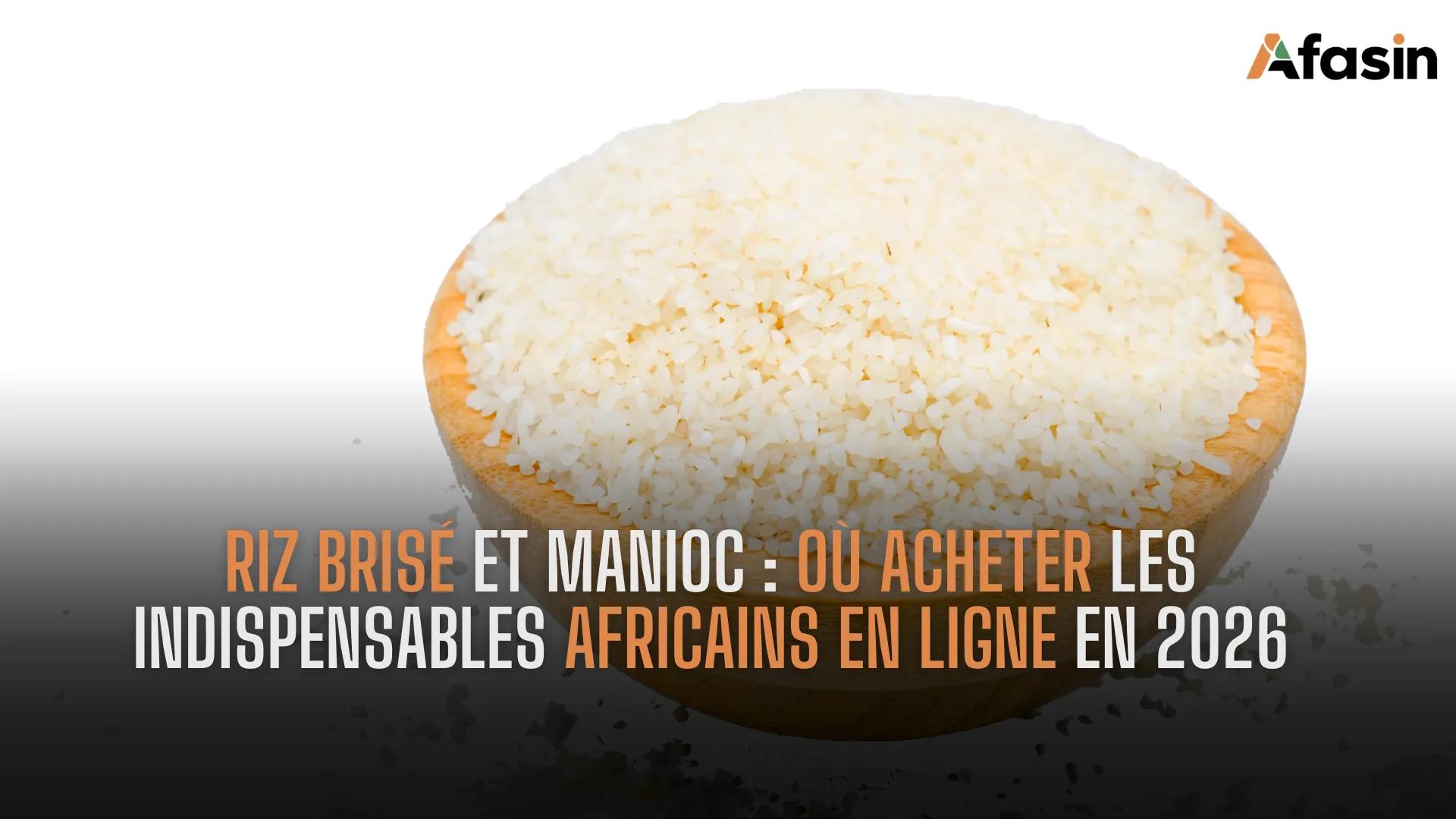
African Broken Rice: Origins, Recipes and Where to Buy Online
African broken rice: origins, recipes and where to buy online In African kitchens, some ingredients tell far more than a simple culinary story. They carry within them centuries of traditions, know-how and cultural identity. African broken rice is one of these...
Riz brisé africain : origines, recettes et où l'acheter en ligne
Dans les cuisines africaines, certains ingrédients racontent bien plus qu'une simple histoire culinaire. Ils portent en eux des siècles de traditions, de savoir-faire et d'identité culturelle. Le riz brisé africain fait partie de ces trésors gastronomiques qui ont traversé les générations pour devenir un pilier incontournable de la cuisine ouest-africaine, et plus particulièrement sénégalaise.
Que vous soyez un membre de la diaspora africaine en Europe en quête de saveurs authentiques, ou simplement curieux de découvrir les richesses culinaires du continent, ce guide complet vous dévoile tout ce qu'il faut savoir sur ce grain si particulier : ses origines fascinantes, les meilleures recettes pour le sublimer, et surtout où acheter du riz brisé en ligne pour le recevoir directement chez vous.
Qu'est-ce que le riz brisé africain ?
Le riz brisé, contrairement à ce que son nom pourrait laisser penser, n'est pas un produit de qualité inférieure. Il s'agit de grains de riz qui se sont fragmentés lors du processus de décorticage et de polissage. Ces morceaux, plus petits que les grains entiers, possèdent des propriétés de cuisson uniques qui les rendent particulièrement prisés dans de nombreuses cuisines africaines.
Les caractéristiques du riz brisé
- Texture unique : Les grains brisés absorbent davantage les saveurs des sauces et des épices
- Cuisson plus rapide : La taille réduite des grains permet une cuisson accélérée
- Consistance crémeuse : Idéal pour obtenir des plats moelleux et savoureux
- Prix accessible : Historiquement moins cher que le riz entier, il est devenu un aliment populaire
- Valeur nutritionnelle préservée : Mêmes apports que le riz classique en glucides et nutriments
En Afrique de l'Ouest, et particulièrement au Sénégal, le riz brisé est devenu bien plus qu'un simple accompagnement. Il constitue la base de plats emblématiques qui font la fierté de toute une nation et rayonnent désormais bien au-delà des frontières du continent.
Les origines et l'histoire du riz brisé en Afrique
L'histoire du riz brisé en Afrique est intimement liée à celle du commerce international et des échanges culturels entre les continents. Si le riz est cultivé en Afrique depuis des millénaires, notamment la variété locale Oryza glaberrima, c'est l'introduction du riz asiatique qui a véritablement transformé les habitudes alimentaires.
Du déchet à l'or culinaire
À l'origine, le riz brisé était considéré comme un sous-produit dans les pays producteurs asiatiques. Les exportateurs vendaient ces grains fragmentés à prix réduit vers l'Afrique. Mais ce qui était perçu comme un produit de second choix s'est rapidement imposé comme un ingrédient de prédilection dans les cuisines ouest-africaines.
Les cuisinières sénégalaises, avec leur génie culinaire légendaire, ont su transformer ce riz en véritable star gastronomique. Elles ont découvert que ces grains brisés, loin d'être un handicap, offraient une texture incomparable pour leurs préparations traditionnelles.
Le Sénégal : terre d'adoption du riz brisé
Au Sénégal, le riz brisé est devenu un élément central de l'alimentation quotidienne. Le pays importe chaque année des centaines de milliers de tonnes de ce précieux grain, principalement de Thaïlande, d'Inde et du Vietnam. Cette dépendance a même conduit à des politiques nationales visant à développer la production locale de riz.
Aujourd'hui, le riz brisé est tellement ancré dans la culture sénégalaise qu'il serait impensable de préparer un authentique Thiéboudienne sans lui. Cette adoption massive témoigne de la capacité des cultures africaines à s'approprier des ingrédients extérieurs pour créer des traditions culinaires uniques.
Les grandes recettes au riz brisé africain
Le riz brisé africain se décline en une multitude de préparations savoureuses. Voici les recettes incontournables qui font voyager les papilles de la diaspora et séduisent de plus en plus de gourmets européens.
Le Thiéboudienne : roi des plats sénégalais
Impossible de parler de recette riz brisé sénégalais sans évoquer le Thiéboudienne, véritable monument de la gastronomie africaine. Ce plat national du Sénégal, inscrit au patrimoine immatériel de l'UNESCO, associe le riz brisé à du poisson frais, des légumes variés et une sauce tomate parfumée aux épices locales.
Les ingrédients essentiels :
- Riz brisé de qualité (environ 500g pour 4 personnes)
- Poisson frais (thiof, mérou ou dorade)
- Légumes : chou, carotte, aubergine, manioc, navet
- Concentré de tomate et tomates fraîches
- Épices : cube Maggi, poivre, piment
- Tamarin et nététou pour l'authenticité
Le riz au poisson rouge (Thiébou Dieune)
Variante colorée du Thiéboudienne, cette recette utilise davantage de concentré de tomate pour donner au riz une belle teinte rouge-orangée. Le secret réside dans la cuisson du riz directement dans le bouillon de poisson, permettant aux grains d'absorber toutes les saveurs.
Le Thiébou Yapp : version viande
Pour les amateurs de viande, le Thiébou Yapp remplace le poisson par du bœuf ou de l'agneau. Les morceaux de viande sont marinés puis revenus avant d'être mijotés avec les légumes. Le riz brisé cuit ensuite dans ce bouillon parfumé, créant un plat réconfortant et généreux.
Le riz gras ivoirien
En Côte d'Ivoire, le riz gras utilise également du riz brisé cuit dans un bouillon de viande enrichi de tomates et d'épices. Souvent accompagné de poulet braisé, ce plat festif est incontournable lors des célébrations familiales.
Le Jollof Rice ouest-africain
Partagé entre plusieurs pays d'Afrique de l'Ouest, le Jollof Rice est une préparation où le riz absorbe une sauce tomate épicée. Chaque pays revendique sa propre version, créant une rivalité culinaire amicale, notamment entre le Nigeria et le Ghana.
Comment bien préparer le riz brisé ?
La réussite d'une recette riz brisé sénégalais authentique passe par une préparation minutieuse du riz. Voici les étapes essentielles pour obtenir un résultat parfait.
Le lavage : une étape cruciale
Avant toute cuisson, le riz brisé doit être soigneusement lavé. Placez-le dans un grand récipient, couvrez d'eau froide et frottez les grains entre vos mains. Répétez l'opération jusqu'à ce que l'eau devienne claire, généralement après 4 à 5 rinçages. Cette étape élimine l'excès d'amidon et garantit des grains qui ne collent pas.
Le trempage (optionnel)
Certaines cuisinières traditionnelles recommandent de faire tremper le riz pendant 30 minutes à 1 heure avant la cuisson. Cette technique permet d'obtenir des grains plus tendres et une cuisson plus homogène.
La cuisson parfaite
Le ratio eau/riz est légèrement différent pour le riz brisé par rapport au riz long grain classique. Comptez environ 1,5 volume d'eau pour 1 volume de riz. La cuisson se fait généralement à couvert, à feu doux, pendant 15 à 20 minutes.
Où acheter du riz brisé en ligne en Europe ?
Pour la diaspora africaine et caribéenne installée en Europe, trouver des produits authentiques peut parfois relever du défi. Heureusement, les solutions d'épicerie africaine livraison se sont considérablement développées ces dernières années.
AFASIN : votre épicerie africaine en ligne
Sur le catalogue AFASIN, vous trouverez une sélection rigoureuse de riz brisé de qualité premium, importé directement des meilleures sources. Notre engagement : vous proposer des produits authentiques, au juste prix, livrés partout en Europe.
Les critères pour bien choisir son riz brisé
- L'origine : Privilégiez le riz thaïlandais ou indien, réputés pour leur qualité
- Le pourcentage de brisure : 100% brisé pour les recettes traditionnelles
- La fraîcheur : Vérifiez les dates de conditionnement
- Le conditionnement : Optez pour des sacs de 5kg ou plus pour un meilleur rapport qualité-prix
Avec une épicerie africaine livraison fiable comme AFASIN, vous pouvez acheter riz brisé en ligne en toute confiance et recevoir vos produits directement à domicile, que vous soyez à Paris, Bruxelles, Londres ou ailleurs en Europe.
Le riz brisé dans la culture africaine contemporaine
Au-delà de son rôle alimentaire, le riz brisé occupe une place symbolique forte dans la culture africaine. Il est présent lors des grandes occasions : mariages, baptêmes, funérailles et fêtes religieuses. Préparer un grand plat de Thiéboudienne, c'est honorer ses invités et perpétuer une tradition ancestrale.
En Europe, la diaspora maintient vivantes ces traditions culinaires. Les restaurants africains proposent ces plats emblématiques, permettant aux nouvelles générations de rester connectées à leurs racines et aux curieux de découvrir ces saveurs uniques.
Et pour accompagner vos repas en famille, pourquoi ne pas profiter des événements culturels qui célèbrent la richesse de nos cultures ? En ce mois d'avril 2026, des artistes comme Serge Beynaud à La Cigale le 12 avril (dès 60€), Didi B au Zénith Paris le 19 avril (dès 57,90€), ou encore Naza à l'Accor Arena le 20 avril (dès 49€) promettent des soirées mémorables qui font vibrer notre communauté.
FAQ : Vos questions sur le riz brisé africain
Quelle est la différence entre le riz brisé et le riz normal ?
Le riz brisé est constitué de grains fragmentés lors du processus de décorticage, tandis que le riz normal présente des grains entiers. Cette différence de taille confère au riz brisé une capacité d'absorption supérieure, le rendant idéal pour les plats en sauce. Sur le plan nutritionnel, les deux types de riz sont équivalents. Le riz brisé cuit également plus rapidement et offre une texture plus moelleuse, caractéristiques qui l'ont rendu incontournable dans la cuisine sénégalaise.
Comment conserver le riz brisé après ouverture ?
Pour préserver toutes les qualités de votre riz brisé, conservez-le dans un récipient hermétique, à l'abri de la lumière et de l'humidité. Un placard frais et sec convient parfaitement. Bien conservé, le riz brisé peut se garder jusqu'à 2 ans sans perdre ses propriétés. Évitez de le stocker près de sources de chaleur ou dans des endroits humides qui pourraient favoriser le développement de moisissures ou d'insectes.
Peut-on utiliser du riz brisé pour d'autres cuisines que la cuisine africaine ?
Absolument ! Le riz brisé s'adapte à de nombreuses préparations culinaires du monde entier. Il est excellent pour les risottos grâce à sa capacité d'absorption, parfait pour les soupes et les porridges, et peut même remplacer le riz à sushi pour des créations fusion. Certains chefs contemporains l'utilisent pour préparer des arancini ou des croquettes de riz. Sa polyvalence en fait un ingrédient précieux dans toute cuisine créative.
Conclusion : Adoptez le riz brisé africain dans votre cuisine
Le riz brisé africain représente bien plus qu'un simple ingrédient : c'est un pont entre les continents, un vecteur de traditions et un symbole de l'ingéniosité culinaire africaine. Que vous souhaitiez préparer un authentique Thiéboudienne pour votre famille ou simplement découvrir de nouvelles saveurs, ce grain aux mille vertus saura conquérir votre palais.
Mis à jour le 10 avril 2026