 Mode & Wax
 Beauté & Cheveux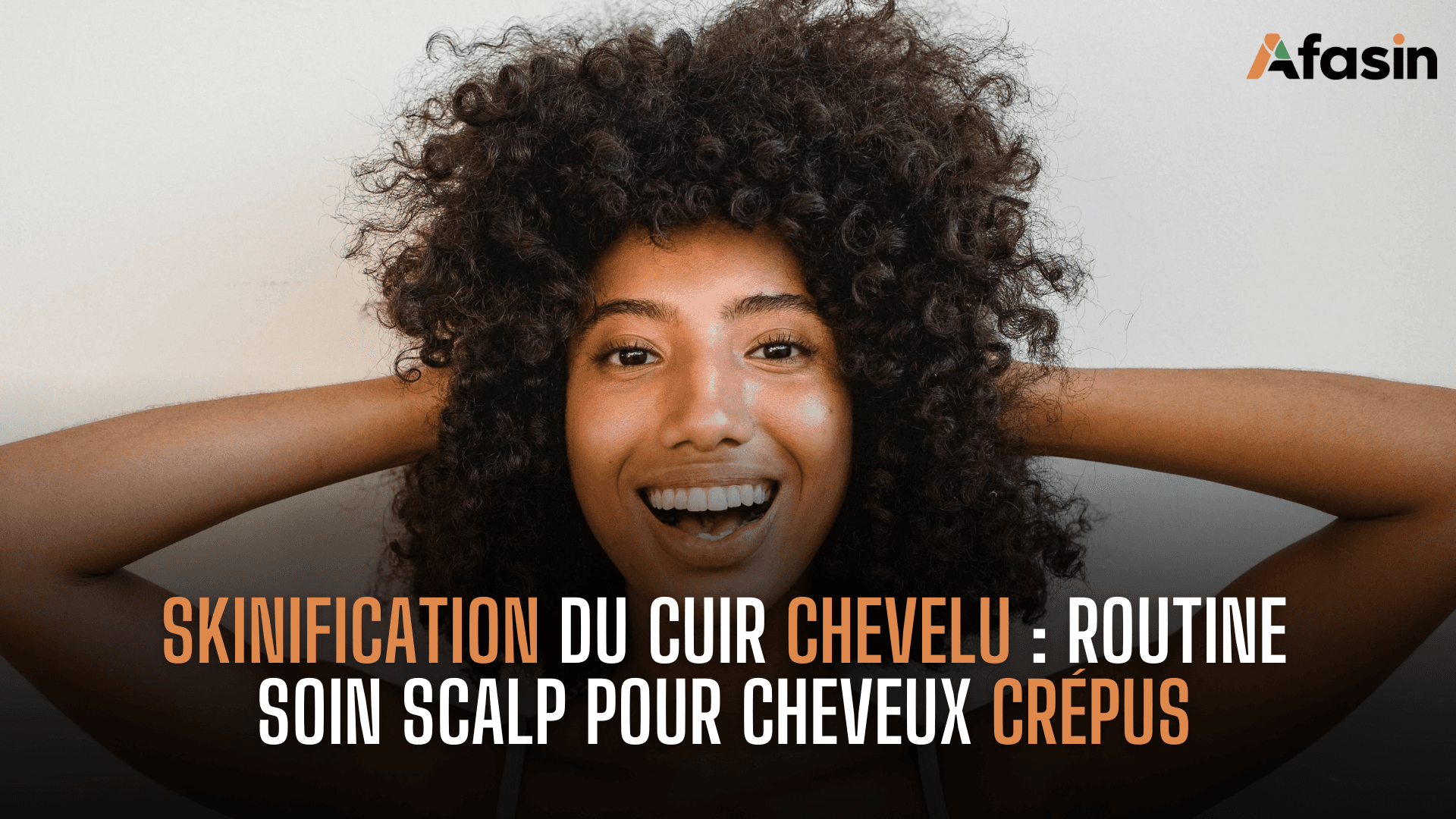
Scalp Skinification: A Scalp Care Routine for Kinky Hair in 2026
Scalp skinification: a scalp care routine for kinky hair in 2026 In 2026, the hair care revolution is underway, and it starts where it all takes root: the scalp. Scalp skinification is emerging as the major hair trend of the year, transforming how we...
Skinification du cuir chevelu : routine soin scalp pour cheveux crépus 2026
En 2026, la révolution capillaire est en marche, et elle commence là où tout prend racine : le cuir chevelu. La skinification du cuir chevelu s'impose comme la tendance capillaire majeure de l'année, transformant notre approche du soin des cheveux crépus. Fini le temps où l'on se concentrait uniquement sur les longueurs ! Aujourd'hui, le soin scalp cheveux crépus devient la pierre angulaire d'une chevelure saine, forte et resplendissante.
Pour la diaspora afro-caribéenne en Europe, cette approche résonne particulièrement. Elle s'inscrit dans une tradition ancestrale de soin holistique, où nos grand-mères savaient déjà que la santé des cheveux commence par un cuir chevelu nourri et équilibré. Redécouvrons ensemble cette sagesse, enrichie des innovations de 2026.
Qu'est-ce que la skinification du cuir chevelu ?
La skinification cuir chevelu consiste à appliquer les principes du skincare (soin de la peau du visage) au cuir chevelu. Cette approche révolutionnaire reconnaît enfin une vérité fondamentale : le cuir chevelu est une extension de la peau du visage et mérite la même attention, les mêmes rituels de soin élaborés.
Concrètement, cela signifie intégrer dans sa routine scalp afro des étapes de nettoyage, d'exfoliation, d'hydratation et de traitement ciblé. Pour les cheveux crépus, cette approche est particulièrement pertinente car notre cuir chevelu présente des spécificités uniques qui nécessitent une attention particulière.
Pourquoi les cheveux crépus ont besoin d'une routine scalp dédiée
Le cheveu crépu possède une structure hélicoïdale unique. Cette forme en spirale signifie que le sébum naturellement produit par le cuir chevelu a plus de difficultés à descendre le long de la fibre capillaire. Résultat : un cuir chevelu qui peut être gras tandis que les longueurs restent sèches.
De plus, les pratiques courantes dans notre communauté — tresses serrées, tissages, défrisages — peuvent fragiliser la santé cuir chevelu si l'on ne met pas en place une routine de soin adaptée. La skinification apporte une réponse moderne à ces défis ancestraux.
Les 5 étapes d'une routine soin scalp pour cheveux crépus en 2026
Étape 1 : Le pré-poo détoxifiant
Avant même le shampooing, commencez par un traitement pré-poo (pre-shampoo) qui va préparer votre cuir chevelu. Appliquez une huile tiède — huile de ricin noire jamaïcaine, huile de baobab ou huile de chébé tchadienne — directement sur le scalp. Massez délicatement en mouvements circulaires pendant 5 à 10 minutes.
Ce massage stimule la circulation sanguine, favorise la pousse et aide à décoller les impuretés accumulées. Laissez poser sous un bonnet chauffant pendant 30 minutes minimum. Cette étape, inspirée des rituels de nos ancêtres, est le fondement d'une routine scalp afro efficace.
Étape 2 : Le double nettoyage adapté
Inspirée du layering coréen, cette tendance capillaire 2026 propose un nettoyage en deux temps. D'abord, un shampooing clarifiant doux (une fois par mois maximum) pour éliminer les résidus de produits coiffants. Ensuite, un shampooing hydratant sans sulfate pour nettoyer en douceur sans agresser.
Concentrez-vous sur le cuir chevelu, pas sur les longueurs. Utilisez la pulpe de vos doigts pour masser délicatement, jamais les ongles qui peuvent créer des micro-lésions. Rincez abondamment à l'eau tiède, puis terminez par un jet d'eau fraîche pour resserrer les écailles.
Étape 3 : L'exfoliation du cuir chevelu
C'est LA révélation de la skinification cuir chevelu : l'exfoliation régulière du scalp. Une à deux fois par mois, utilisez un gommage doux spécifiquement formulé pour le cuir chevelu, ou créez le vôtre avec du sucre fin mélangé à de l'huile de coco.
L'exfoliation élimine les cellules mortes, les résidus de produits et stimule le renouvellement cellulaire. Pour les cuirs chevelus sujets aux pellicules ou aux démangeaisons — problèmes fréquents dans notre communauté — cette étape est transformatrice. Elle permet également une meilleure absorption des soins suivants.
Étape 4 : Le sérum scalp ciblé
Véritable innovation de 2026, les sérums pour cuir chevelu sont désormais incontournables dans toute routine de soin scalp cheveux crépus. Ces formules concentrées en actifs pénètrent le cuir chevelu pour traiter des problèmes spécifiques : chute de cheveux, alopécie de traction, pellicules, sécheresse extrême.
Recherchez des ingrédients comme l'acide hyaluronique (hydratation profonde), la caféine (stimulation de la pousse), le niacinamide (équilibre du sébum) ou les peptides (renforcement du follicule). Appliquez quelques gouttes directement sur le cuir chevelu et massez pour faire pénétrer.
Étape 5 : La protection et l'hydratation continue
Terminez votre routine par un soin leave-in léger sur le cuir chevelu. Optez pour des formules à base d'eau enrichies en aloe vera, glycérine ou miel. Ces ingrédients, chers à la tradition afro-caribéenne, maintiennent l'hydratation sans alourdir.
N'oubliez pas la protection solaire ! Le cuir chevelu, souvent exposé au niveau des raies et des séparations, est vulnérable aux UV. Des sprays protecteurs SPF existent désormais spécifiquement pour le scalp.
Ingrédients stars pour la santé du cuir chevelu afro en 2026
La tendance capillaire 2026 met à l'honneur des ingrédients issus de notre patrimoine africain et caribéen, validés par la science moderne :
- Huile de chébé du Tchad : utilisée depuis des générations par les femmes Basara, elle renforce le cheveu dès la racine
- Beurre de karité du Burkina Faso : émollient exceptionnel qui nourrit le cuir chevelu en profondeur
- Huile de baobab : riche en vitamines A, D, E et F, elle régénère les cuirs chevelus abîmés
- Feuilles de moringa : antioxydantes et purifiantes, parfaites pour les scalps sensibles
- Rhassoul marocain : argile douce idéale pour l'exfoliation et la détoxification
- Hibiscus (bissap) : stimule la circulation et prévient le vieillissement prématuré des follicules
Ces trésors de notre héritage sont aujourd'hui disponibles sur des plateformes comme notre catalogue AFASIN, où vous trouverez des produits authentiques sélectionnés pour leur qualité et leur efficacité.
Erreurs courantes à éviter dans sa routine scalp
Même avec les meilleures intentions, certaines habitudes peuvent compromettre la santé cuir chevelu :
- Sur-laver : deux shampooings par semaine maximum suffisent pour la plupart des cheveux crépus
- Négliger le rinçage : les résidus de produits étouffent le cuir chevelu et provoquent démangeaisons et pellicules
- Tresses trop serrées : l'alopécie de traction est un problème majeur dans notre communauté. Privilégiez des coiffures protectrices plus souples
- Ignorer les signaux d'alerte : démangeaisons persistantes, plaques, chute excessive nécessitent une consultation dermatologique
- Utiliser des produits inadaptés : les formules conçues pour cheveux lisses ne répondent pas aux besoins spécifiques de notre texture
Calendrier hebdomadaire de soin scalp
Pour intégrer facilement cette routine dans votre quotidien, voici un planning type :
- Dimanche (Wash Day) : pré-poo + double nettoyage + sérum scalp + soin profond
- Mercredi : rafraîchissement du cuir chevelu avec un tonique hydratant + massage de 5 minutes
- Vendredi : application d'huile légère sur le scalp avant le coucher
- Deux fois par mois : exfoliation douce du cuir chevelu
L'importance du bien-être global pour la santé capillaire
Une routine scalp afro efficace ne se limite pas aux soins externes. L'alimentation, l'hydratation, le sommeil et la gestion du stress jouent un rôle crucial. Les cheveux sont le reflet de notre santé intérieure.
Privilégiez une alimentation riche en protéines, fer, zinc et biotine. Hydratez-vous suffisamment — minimum 1,5 litre d'eau par jour. Et accordez-vous des moments de détente ! Pourquoi ne pas profiter d'un événement culturel pour décompresser ? Découvrez les événements de la communauté afro-caribéenne près de chez vous.
D'ailleurs, le mois d'avril et mai 2026 regorgent d'occasions de célébrer notre culture. Fally Ipupa se produira au Stade de France les 2 et 3 mai 2026 (dès 63€), un événement incontournable ! Pour les amateurs de reggae, Yaniss Odua sera à La Traverse le 30 avril 2026 (dès 25€). Et pour une soirée de rire et de bonne humeur — excellent pour réduire le stress et donc favoriser la pousse des cheveux ! — Patson présente son spectacle "Baltazar" au République à Paris tout au long du mois d'avril (dès 29€).
FAQ : Vos questions sur le soin scalp cheveux crépus
À quelle fréquence dois-je exfolier mon cuir chevelu ?
Pour les cheveux crépus, une exfoliation toutes les deux semaines est généralement suffisante. Si vous avez un cuir chevelu particulièrement sensible ou sujet aux irritations, espacez à une fois par mois. À l'inverse, si vous utilisez beaucoup de produits coiffants ou portez régulièrement des coiffures protectrices, vous pouvez exfolier chaque semaine. Écoutez votre cuir chevelu : il vous dira ce dont il a besoin.
Les huiles naturelles peuvent-elles obstruer les follicules pileux ?
C'est une préoccupation légitime. Certaines huiles, comme l'huile de coco utilisée en excès, peuvent effectivement obstruer les follicules sur certains types de cuir chevelu. La clé réside dans la modération et le choix des huiles. Privilégiez des huiles légères comme le jojoba (qui imite le sébum naturel), l'argan ou le baobab. Appliquez toujours avec parcimonie et assurez-vous de bien nettoyer votre cuir chevelu lors de votre wash day.
La skinification convient-elle aux cuirs chevelus sensibles ou à problèmes ?
Absolument ! La skinification du cuir chevelu est même particulièrement bénéfique pour les cuirs chevelus sensibles. L'essentiel est d'adapter les produits et la fréquence des soins. Optez pour des formules hypoallergéniques, sans parfum et avec des ingrédients apaisants comme l'aloe vera ou la camomille. En cas de problèmes persistants (dermatite séborrhéique, psoriasis, eczéma), consultez un dermatologue qui pourra vous guider vers une routine personnalisée.
Conclusion : Adoptez la révolution scalp dès aujourd'hui
La skinification du cuir chevelu n'est pas une simple tendance passagère : c'est un retour aux fondamentaux, une reconnaissance de ce que nos ancêtres savaient intuitivement. Un cuir chevelu sain est le terreau fertile d'où jaillit une chevelure magnifique.
En 2026, nous avons la chance de pouvoir combiner cette sagesse ancestrale avec les innovations cosmétiques modernes. Le soin scalp cheveux crépus devient ainsi un rituel de self-care complet, un moment de connexion avec soi-même et avec notre héritage culturel.
Prête à transformer votre routine capillaire ? Explorez notre sélection de produits authentiques pour cheveux afro sur le catalogue AFASIN. Vous y trouverez des huiles, sérums et soins formulés spécifiquement pour les besoins de notre communauté.
Mis à jour le 24 avril 2026