 Mode & Wax
 Beauté & Cheveux
Manioc : l'aliment de base de l'Afrique — farine, gari et recettes
Le manioc est l'un des aliments les plus cultives en Afrique subsaharienne. Farine, attieke, gari ou tapioca : decouvrez toutes ses formes et recettes.
Le manioc nourrit plus de 800 millions de personnes dans le monde. En Afrique subsaharienne, c'est l'une des sources de calories les plus importantes — et il se transforme en dizaines de produits differents.
C'est quoi le manioc ?
Le manioc (Manihot esculenta) est un arbuste tropical dont on consomme les racines tuberculeuses. Ces racines riches en amidon peuvent peser jusqu'a 5 kg chacune. Selon la variete, le manioc peut etre doux (consommable cuit directement) ou amer (necessitant transformation). En Afrique, les varietes ameres sont les plus repandues — elles donnent des rendements plus eleves et sont transformees en farine, en attieke, en gari ou en foufou.
Le manioc se presente sous de nombreuses formes dans la cuisine africaine : farine de manioc, attieke (semoule fermentee ivoirienne), gari (semoule grillee populaire au Nigeria et Benin), foufou (pate molle d'Afrique centrale), tapioca (granules d'amidon pur) et bien d'autres derives.
Origine : de l'Amazonie a l'Afrique
Le manioc est originaire d'Amazonie (actuel Bresil) ou il etait cultive par les peuples indigenes depuis au moins 10 000 ans. Il a ete introduit en Afrique par les Portugais au XVIe siecle, d'abord en Angola et au Congo. Grace a sa resistance a la secheresse, sa haute productivite et sa facilite de conservation en terre, il s'est rapidement impose comme culture vivriere principale dans toute l'Afrique subsaharienne.
Aujourd'hui, le Nigeria est le premier producteur mondial de manioc, suivi de la Republique Democratique du Congo, du Ghana, de l'Angola et de la Tanzanie. L'Afrique represente plus de 55% de la production mondiale de manioc.
Bienfaits et valeurs nutritionnelles
Le manioc est une excellente source de glucides complexes (haute energie), naturellement sans gluten et riche en vitamines C et B6, en potassium et en magnesium. La fermentation (comme dans l'attieke ou le gari) ameliore sa valeur nutritive en augmentant la teneur en acides amines et en reduisant les antinutriments. Sa resistance a la secheresse et sa haute productivite en font un aliment de securite alimentaire crucial en Afrique.
Nos recettes a base de manioc
Recettes avec du manioc

Acheter de la farine de manioc et de l'attieke
Retrouvez sur Afasin de la farine de manioc authentique et differentes preparations a base de manioc pour cuisiner vos plats africains.
Produits a base de manioc
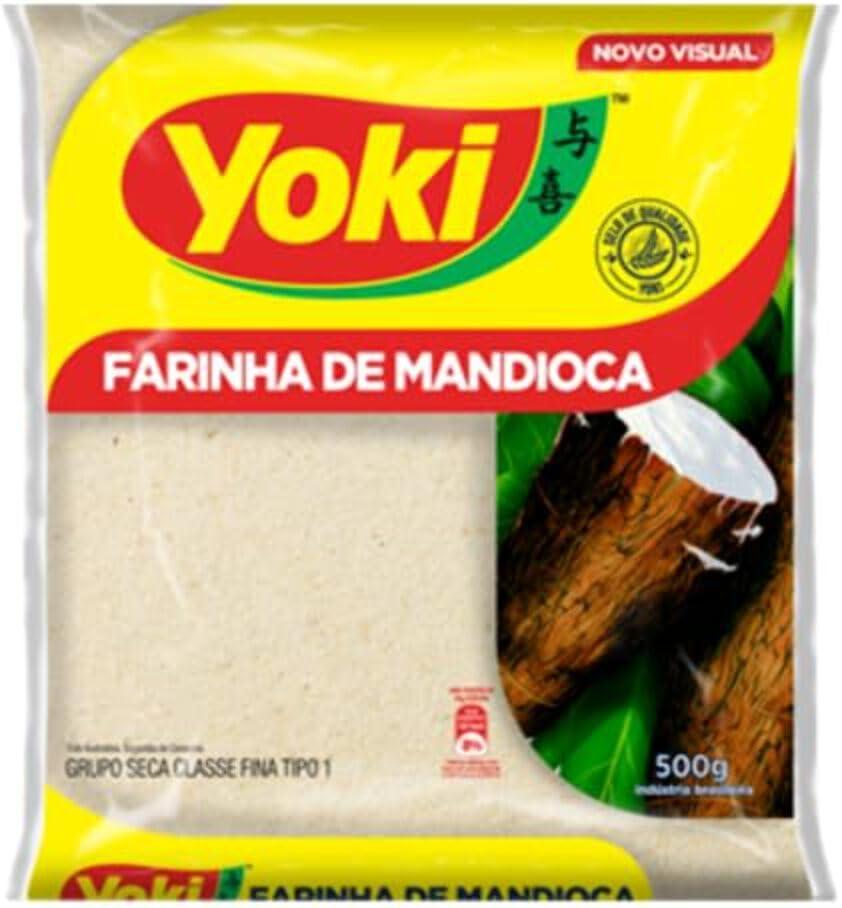
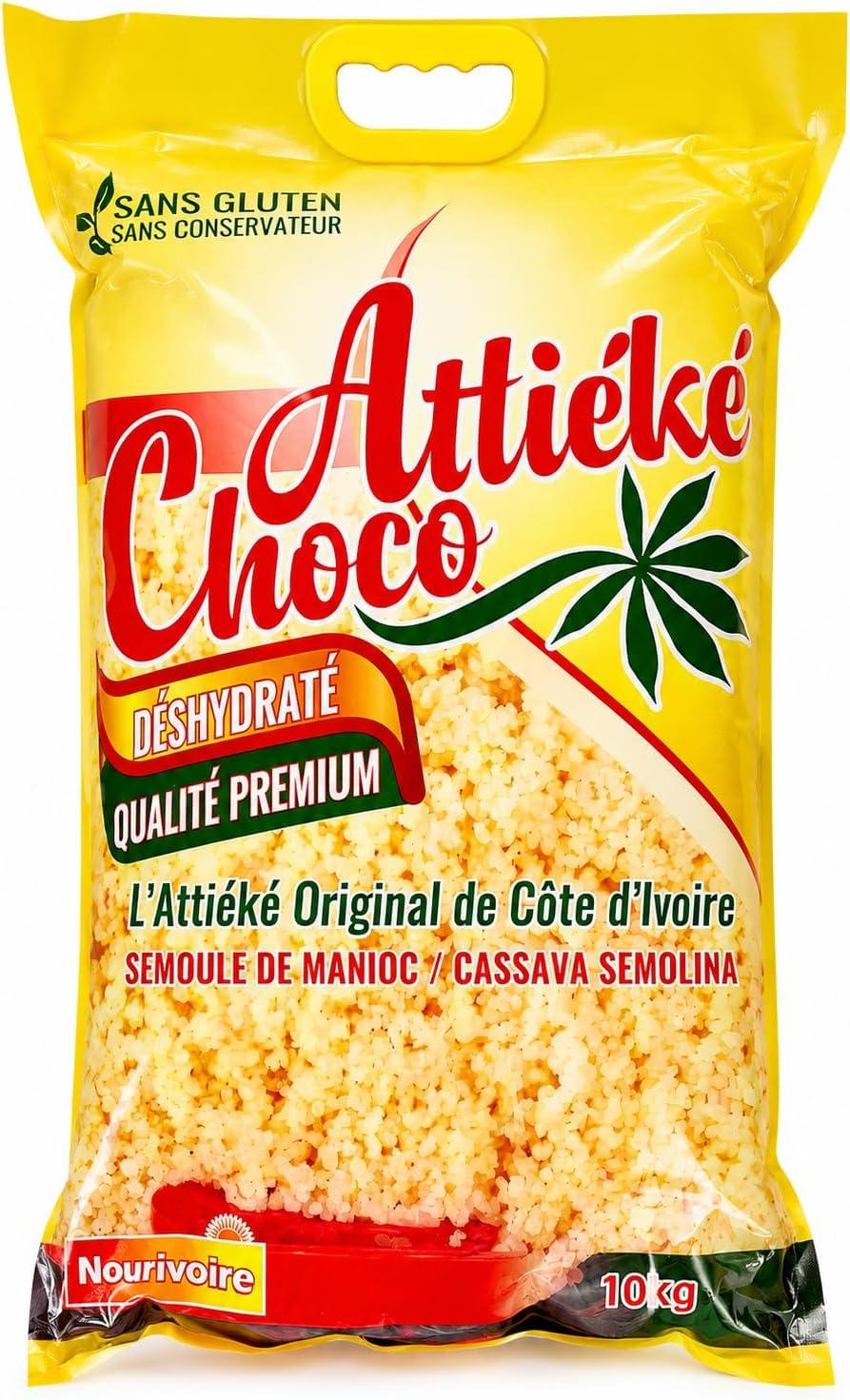
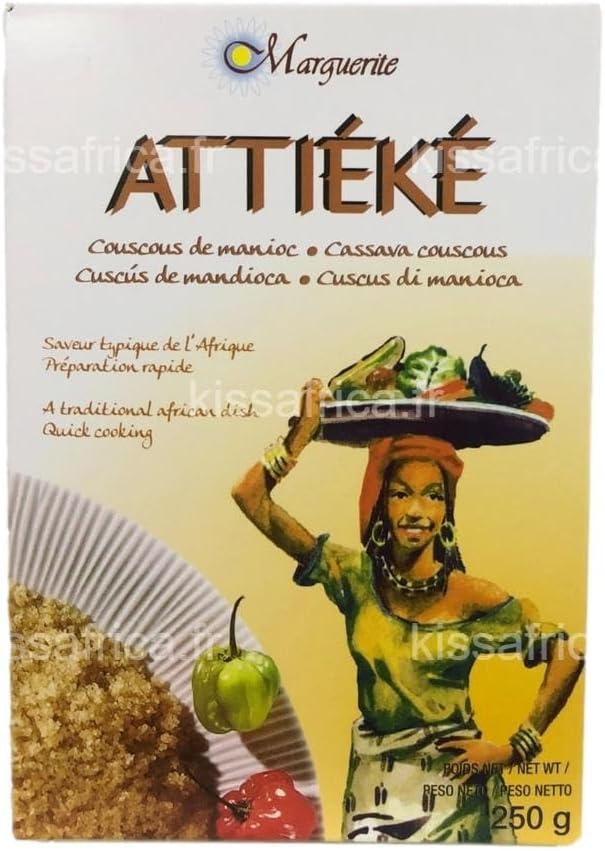
Le saviez-vous ? L'attieke, le gari et la farine de manioc proviennent tous du meme tubercule mais sont transformes differemment. L'attieke est fermente et cuit vapeur, le gari est fermente et torrefie, la farine est simplement sechee.
Mis à jour le 28 juillet 2026